All Pokhara Activities in 2026
Explore curated activities and adventures for your Pokhara trip
Choose a destination on the left
Top Attractions in Pokhara
Overview
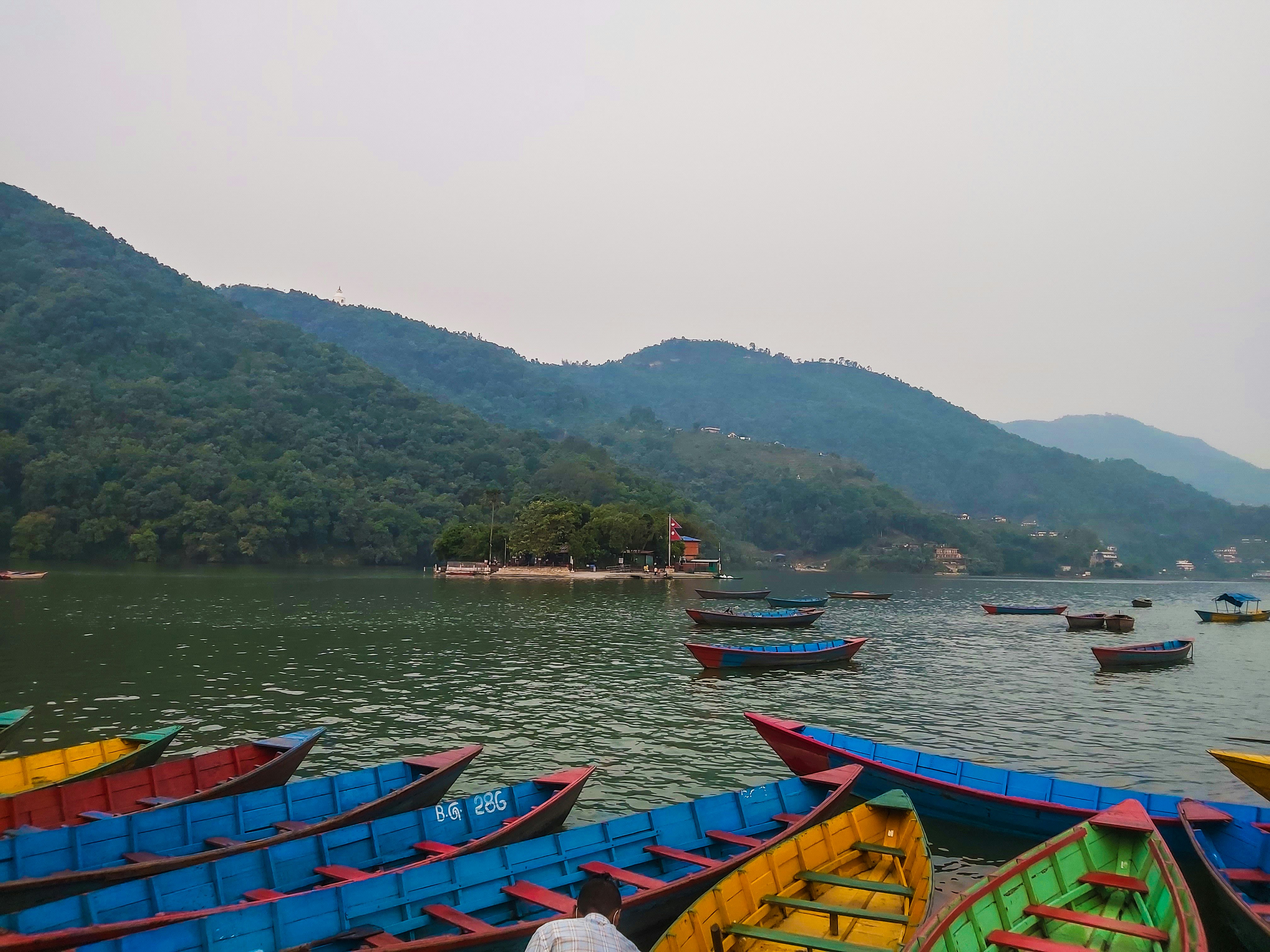
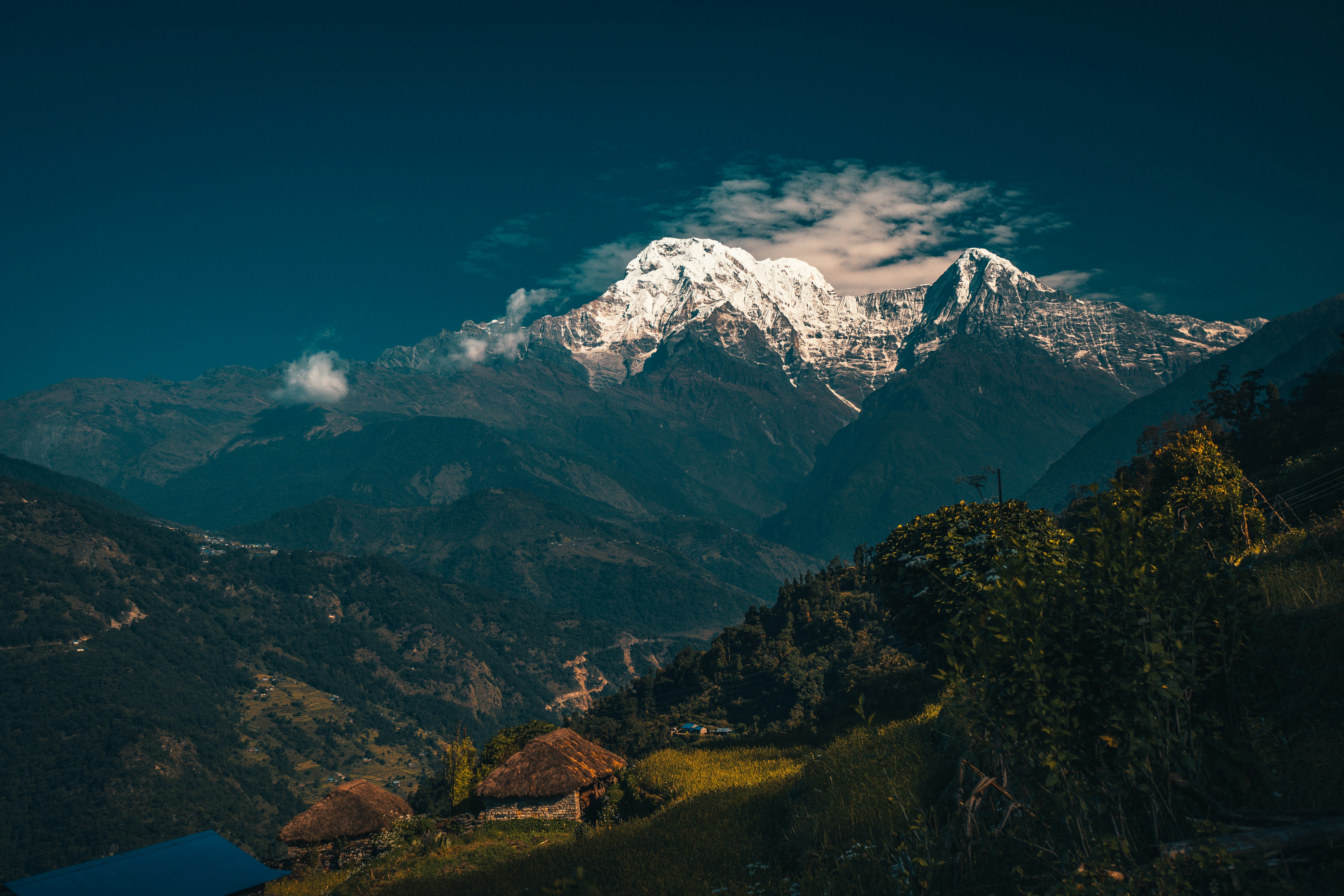
Pokhara is often called the tourism capital of Nepal. Located west of Kathmandu, the city sits beside Phewa Lake with the Annapurna and Machhapuchhre mountain ranges rising in the background. It is calmer and more scenic than Kathmandu, making it a perfect place to relax before or after a trek.
Pokhara is also the starting point for many popular treks, including Annapurna Base Camp, Mardi Himal, Ghorepani Poon Hill, Khopra Danda, and parts of the Annapurna Circuit. Beyond trekking, the city offers boating, paragliding, zipline, ATV rides, hot air ballooning, bungee, rafting, cycling, sightseeing, cafes, and short day hikes.
What People Also Ask
Why should I visit Pokhara?
You should visit Pokhara if you want beautiful mountain views, lakeside relaxation, adventure activities, and easy access to the Annapurna Himalayas. It is ideal for travellers who want a mix of nature, comfort, soft adventure, photography, trekking, and peaceful downtime. Pokhara is also one of the best places in Nepal for families, couples, solo travellers, and first-time visitors.
How many days are enough to explore Pokhara?
For the main highlights, 2 to 3 days is enough to visit Phewa Lake, Sarangkot, World Peace Pagoda, Davis Falls, Gupteshwor Cave, and Lakeside. For a more relaxed experience, 4 to 5 days is better. This gives you time for boating, sunrise viewpoints, adventure activities, cafes, short hikes, and nearby places like Begnas Lake or Australian Camp. If you are using Pokhara as a trekking base, you may spend 1 to 2 nights before the trek and 1 to 2 nights after the trek.
What are the top things to do here?
Go boating on Phewa Lake
Visit Tal Barahi Temple on the lake
Watch sunrise from Sarangkot
Ride the Annapurna Cable Car to Sarangkot
Visit the World Peace Pagoda
Walk or hike to Pumdikot Shiva Statue
Explore Davis Falls and Gupteshwor Mahadev Cave
Visit the International Mountain Museum
Try paragliding over Pokhara Valley
Go ziplining, bungee jumping, ATV riding, rafting, or hot air ballooning
Relax at Lakeside cafes and restaurants
Start a trek to Annapurna Base Camp, Mardi Himal, or Poon Hill
Is this destination safe for tourists?
Yes, Pokhara is generally safe for tourists and is one of Nepal’s most visitor-friendly cities. Lakeside, Sarangkot, Begnas Lake, and the main sightseeing areas are used to receiving both domestic and international travellers. Travellers should still take normal precautions with belongings, late-night movement, road traffic, water activities, and adventure sports. For activities like paragliding, zipline, bungee, rafting, and hot air ballooning, it is best to book with licensed and reputable operators.
What are the best places to visit here?
The best places to visit in Pokhara include:
Phewa Lake: Pokhara’s most famous lake, ideal for boating and mountain reflections
Tal Barahi Temple: Small temple located on an island in Phewa Lake
Lakeside: Main tourist area with hotels, cafes, restaurants, shops, and nightlife
Sarangkot: Famous sunrise viewpoint with Annapurna, Dhaulagiri, and Machhapuchhre views
World Peace Pagoda: Hilltop Buddhist monument with views of Pokhara and the lake
Pumdikot Shiva Statue: Scenic viewpoint above Pokhara
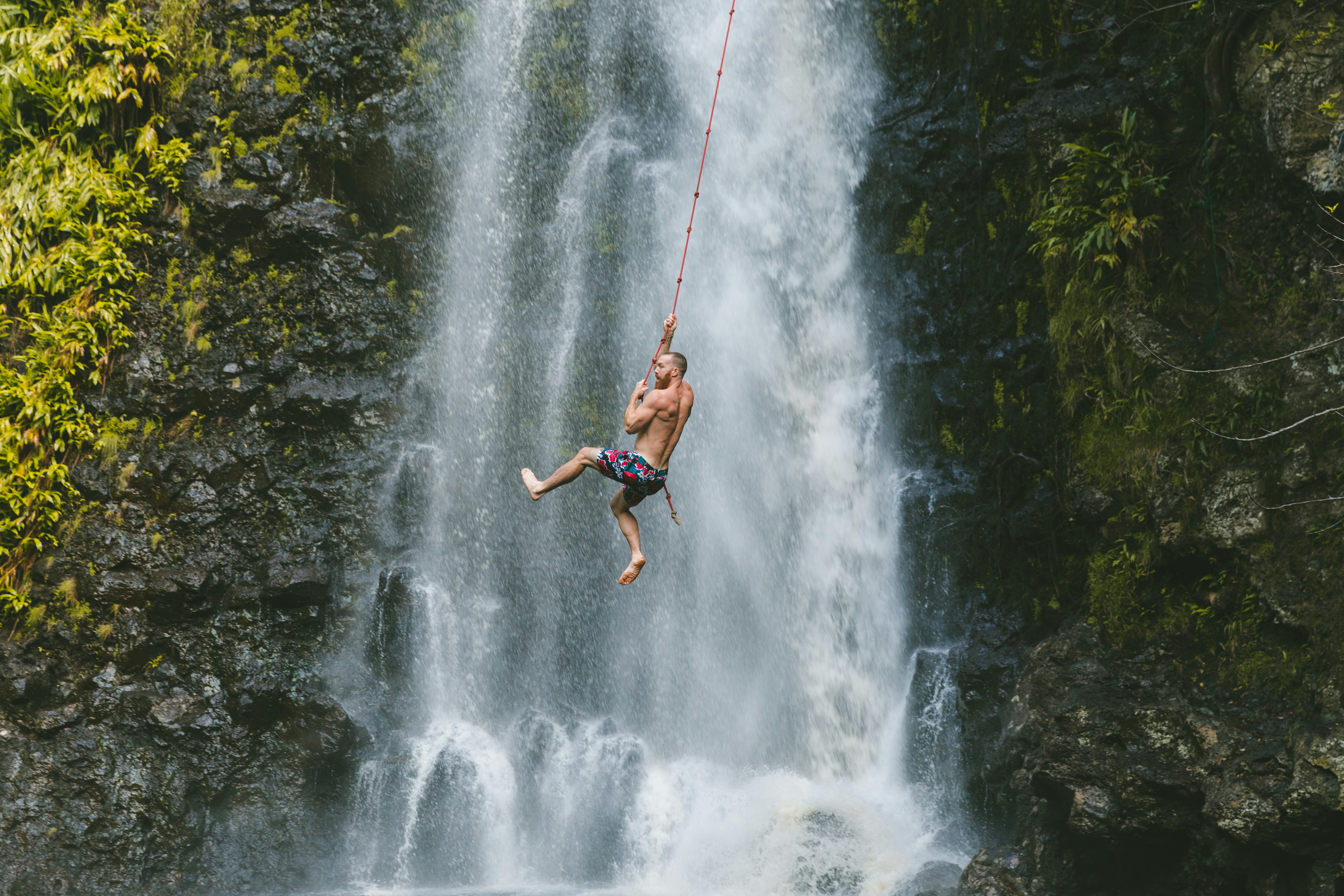
Davis Falls: Waterfall that disappears into an underground gorge
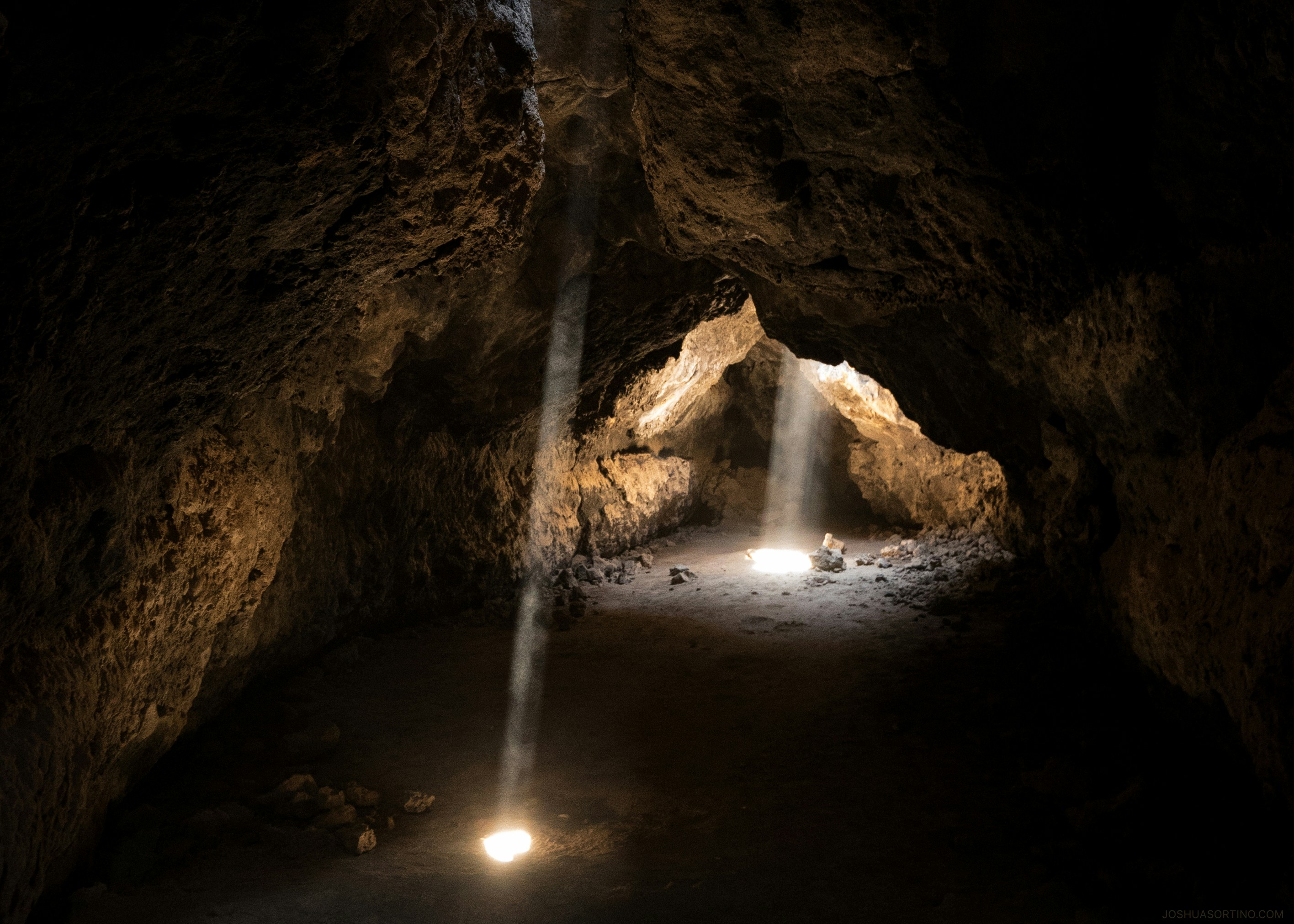
Gupteshwor Mahadev Cave: Cave and shrine near Davis Falls
International Mountain Museum: Museum about Himalayan mountains and mountaineering
Begnas Lake: Quieter lake area outside the main city
Seti River Gorge: Natural gorge running through Pokhara
Tibetan settlements and monasteries: Cultural sites with crafts and Buddhist traditions
Sarangkot is especially popular for sunrise views and paragliding.
What is the best time of year to visit?
The best time to visit Pokhara is spring and autumn. Spring, from March to May, brings warm weather, clearer mountain views in the mornings, and good conditions for trekking and adventure activities. Autumn, from September to November, is the most popular season for clear skies, mountain views, festivals, and outdoor activities.
Winter, from December to February, is cool and pleasant, with good visibility. Monsoon, from June to August, brings rain, clouds, and occasional travel disruption, but the city becomes lush and green.
Are there any festivals or special events worth planning around?
Yes. Pokhara celebrates many national and regional festivals, and the city is lively during major holiday periods.
Festivals and events worth planning around include:
Tihar: Festival of lights, usually in October or November
Holi: Festival of colours, usually in March
Nepali New Year: Usually in April
Street festivals and lakeside events: Often held around New Year and peak travel periods
Local Gurung and Magar cultural celebrations in nearby villages
Festival dates can change each year, especially those based on the lunar calendar.
Are there any cultural rules or etiquette I should follow?
Yes. Pokhara is relaxed, but travellers should still respect local customs.
Dress modestly when visiting temples, monasteries, and local villages. Remove shoes where required. Ask before taking photos of people, ceremonies, monks, or inside religious spaces. Walk clockwise around stupas and prayer wheels. When visiting lakes, caves, temples, or viewpoints, avoid littering and respect local rules. In rural areas and trekking villages near Pokhara, a friendly greeting and respectful behaviour go a long way.
Is tipping expected?
Tipping is anticipated in the tourism sector. Travellers commonly tip guides, drivers, hotel staff, boatmen, trekking crews, and adventure activity staff. For day tours or activities, tipping your guide and/or driver is common. For treks starting from Pokhara, tipping guides and porters at the end of the trek is expected.
Do I need travel insurance?
Travel insurance is recommended for Pokhara and essential if your trip includes trekking or adventure activities. Your policy should cover medical treatment, trip cancellation, delays, lost baggage, and planned activities such as trekking, paragliding, rafting, zipline, bungee, ATV riding, or hot air ballooning. If you are trekking from Pokhara into the Annapurna Region, make sure your insurance covers the maximum altitude of your route.
What are the advantages of booking with NepalTravel.com?
Booking Pokhara with NepalTravel.com helps make your trip smooth, flexible, and well organized.
NepalTravel is a modern travel company with deep roots in Nepal. We are equipped to provide support to all international time-zones, while being current with changing local logistics on the ground in Nepal and Bhutan. We are also well-versed in international ticketing through our parent company Zen Travels, and with major activity providers in Nepal through our sister company Vraman.com. We can thus provide comprehensive support that ensures your peace of mind so you can enjoy your Himalayan vacation to the fullest.
Your Adventure?
We Accept Secure Payments

100% Secure
Your payments are safe with us.
Fast & Reliable
Quick confirmation on all bookings.
Trusted Worldwide
Join travelers from around the world.