All Mt Everest Region Activities in 2026
Explore curated activities and adventures for your Mt Everest Region trip
Choose a destination on the left
Top Attractions in Mt. Everest Region
Overview
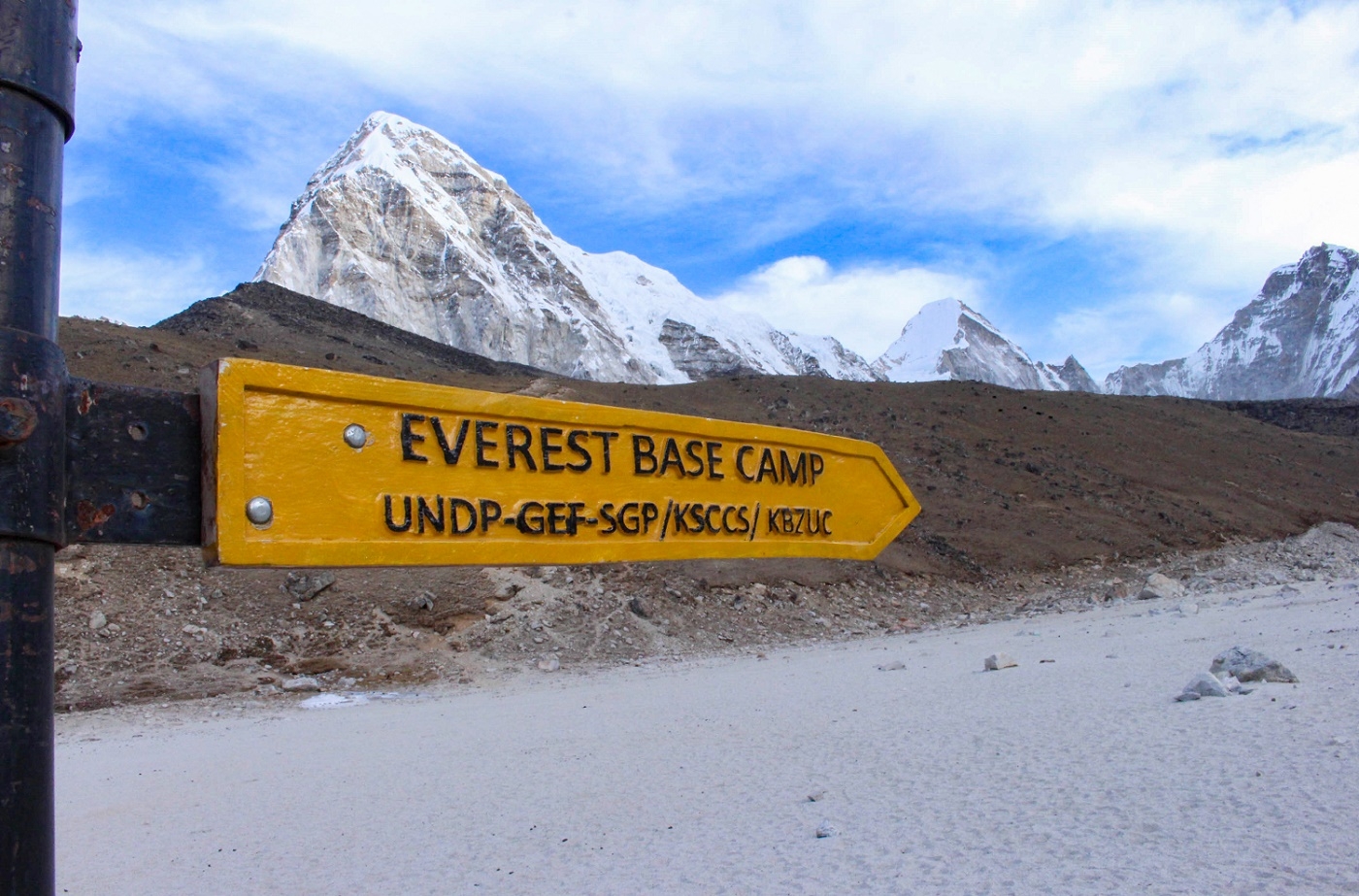
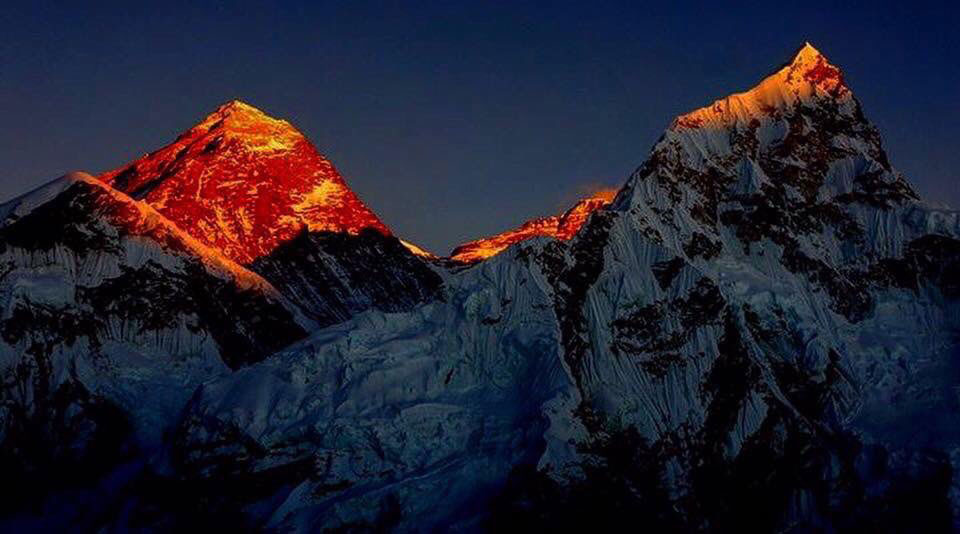
The Everest Region is one of the most famous trekking regions in the world. Home to the highest mountain in the world, the region offers dramatic mountain scenery, Sherpa culture, Buddhist monasteries, glaciers, suspension bridges, high-altitude valleys, and views of some of the world’s highest peaks.
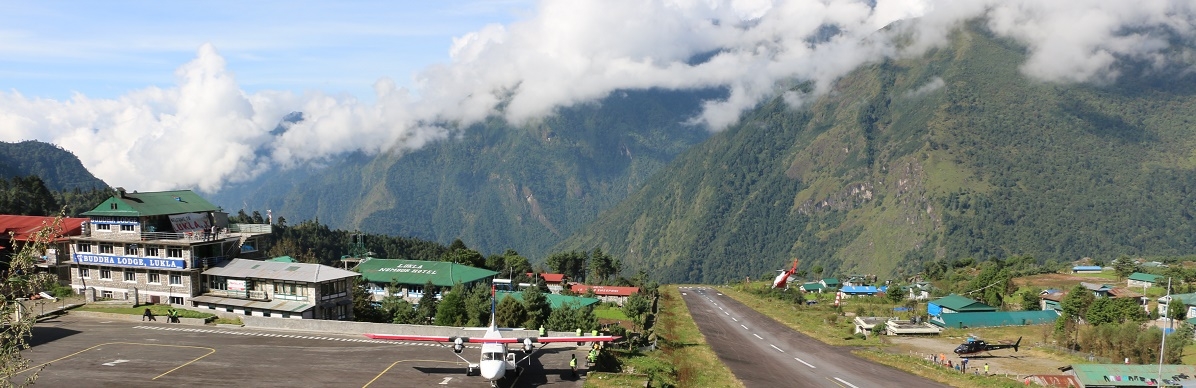
Most travellers enter the region by flying to Lukla and trekking through Phakding, Namche Bazaar, Tengboche, Dingboche, Lobuche, and Gorak Shep before reaching Everest Base Camp. Other popular routes include the Gokyo Lakes Trek, Everest Three Passes Trek, Everest View Trek, and the classic Jiri to Everest route.
The region lies within Sagarmatha National Park, a UNESCO World Heritage Site that includes Mount Everest and surrounding Himalayan landscapes.
What People Also Ask
Why should I visit Mt. Everest Region?
You should visit the Everest Region if you want to experience the world’s highest mountain landscape, Sherpa culture, legendary trekking trails, and breathtaking Himalayan views.
The region is ideal for trekkers, photographers, adventure travellers, mountain lovers, and anyone who wants to walk through one of the most famous landscapes on earth. Even if you do not trek all the way to Everest Base Camp, shorter routes such as the Everest View Trek offer beautiful mountain views and cultural experiences.
How many days are enough to explore Mt. Everest Region?
For the classic Everest Base Camp Trek, 12 to 14 days is usually recommended from Kathmandu to Kathmandu, including acclimatization days. For a shorter, more luxurious Everest experience, 5 to 8 days can cover Lukla, Phakding, Namche Bazaar, Tengboche, and Everest view points.
For Gokyo Lakes, 12 to 15 days is recommended. For the Everest Three Passes Trek, 18 to 22 days is better because it is longer, higher, and more physically demanding. A properly paced itinerary is very important in the Everest Region because of altitude.
What are the top things to do here?
Top things to do in the Everest Region include:
Trek to Everest Base Camp
Hike to Kala Patthar for one of the best Everest viewpoints
Explore Namche Bazaar, the main Sherpa town of the region
Visit Tengboche Monastery
Trek to Gokyo Lakes and climb Gokyo Ri
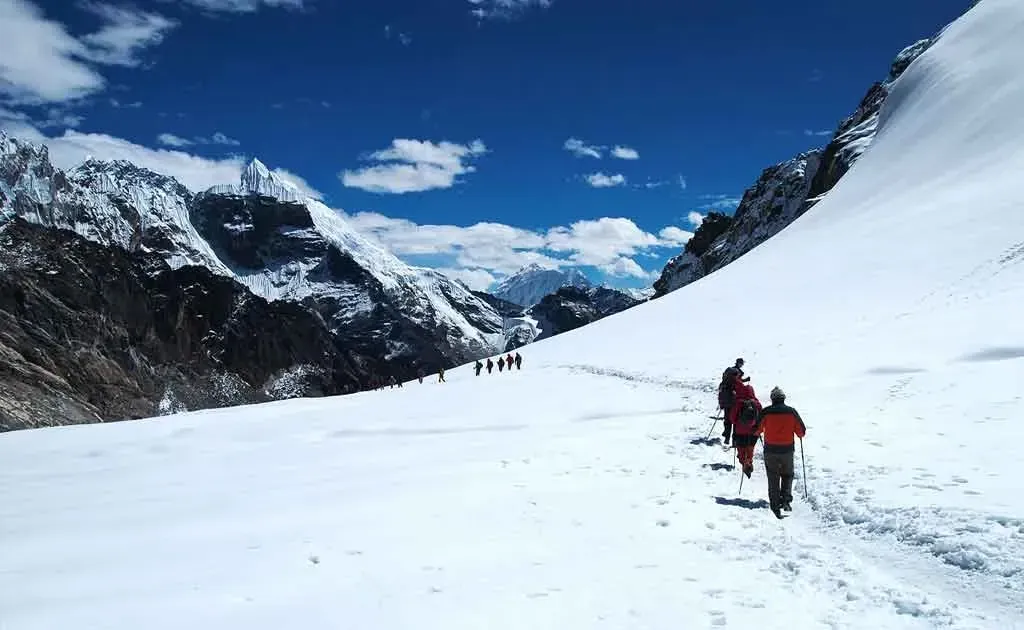
Cross high passes such as Cho La, Renjo La, or Kongma La on the Three Passes route
Visit Khumjung and Khunde villages
See views of Everest, Lhotse, Nuptse, Ama Dablam, Thamserku, Pumori, and Cho Oyu
Walk through Sagarmatha National Park
Experience Sherpa hospitality, mountain teahouses, and Buddhist culture
Is this destination safe for tourists?
Yes, the Everest Region is generally safe for trekkers when properly planned. The main routes are well established, teahouses are available, and many trekkers visit each year.
However, the region involves serious high-altitude trekking. Travellers must be prepared for altitude sickness, cold weather, flight delays, remote trails, limited medical facilities, and changing mountain conditions. Proper acclimatization, a sensible pace, warm clothing, travel insurance, and an experienced guide are strongly recommended.
Lukla flights can also be delayed or cancelled due to weather, so travellers should keep buffer days in their itinerary. Our itineraries to the Everest region build in some buffer days to account for this
What are the best places to visit here?
The best places to visit in the Everest Region include:
Lukla: Main flight gateway to the Everest Region
Phakding: Common first-night stop after Lukla
Namche Bazaar: Main Sherpa trading town and acclimatization stop
Khumjung and Khunde: Traditional Sherpa villages
Tengboche Monastery: Famous monastery with mountain views
Dingboche: High-altitude village and acclimatization stop
Lobuche: Overnight stop before Gorak Shep
Gorak Shep: Final settlement before Everest Base Camp
Everest Base Camp: Iconic trekking destination at the foot of Everest
Kala Patthar: Famous viewpoint for Everest sunrise and close mountain views
Gokyo Lakes: Sacred turquoise alpine lakes
Gokyo Ri: Viewpoint with Everest, Cho Oyu, and glacier views
Renjo La, Cho La, and Kongma La: High passes for experienced trekkers
What is the best time of year to visit?
The best time to visit the Everest Region is spring and autumn.
Spring, from March to May, offers warmer weather, blooming rhododendrons at lower elevations, and the Everest climbing season atmosphere near Base Camp.
Autumn, from September to November, is the most popular season for clear skies, stable weather, and excellent mountain views.
Winter, from December to February, is quieter and can offer clear skies, but it is very cold at higher elevations. Monsoon, from June to August, brings clouds, rain at lower elevations, flight disruption, and slippery trails, so it is less popular for trekking.
Are there any festivals or special events worth planning around?
Yes. The Everest Region has important Sherpa Buddhist festivals and cultural events.
Popular festivals include:
Mani Rimdu: A major Buddhist festival held at monasteries such as Tengboche, usually in autumn
Losar: Tibetan and Sherpa New Year, usually around February or March
Dumji Festival: A Sherpa festival celebrated in villages such as Namche, Khumjung, and Pangboche
Everest climbing season: Spring, especially April and May, when expedition activity around Base Camp is at its peak
Festival dates follow the lunar calendar, so exact dates change each year.
Are there any cultural rules or etiquette I should follow?
Yes. The Everest Region is home to Sherpa communities with strong Buddhist traditions.
Walk clockwise around stupas, mani walls, and prayer wheels. Remove shoes where required before entering monasteries. Dress modestly in villages and religious spaces. Ask before taking photos of people, monks, ceremonies, or monastery interiors.
Respect local customs, avoid loud behaviour in sacred places, and do not touch religious objects without permission. It is also important to follow conservation rules, avoid littering, and use refillable water bottles where possible.
Is tipping expected?
If you are part of a guided trek, tipping is common and appreciated. Most travellers tip guides, porters, and drivers at the end of the trek.
For treks such as Everest Base Camp, or Gokyo Lakes, it is good to prepare a separate tipping budget for your trekking team. The amount depends on trip length, group size, service quality, and your budget.
Do I need travel insurance?
Yes. Travel insurance is essential for the Everest Region. Your policy should cover high-altitude trekking, medical treatment, altitude sickness, emergency evacuation, helicopter rescue, trip cancellation, lost baggage, and flight delays or cancellations.
Make sure the policy covers the maximum altitude of your route. Everest Base Camp is above 5,300 meters, Kala Patthar is above 5,500 meters, and high passes such as Cho La, Renjo La, and Kongma La are also above 5,000 meters.
What are the advantages of booking with NepalTravel.com?
Booking the Mt. Everest Region with NepalTravel.com helps make your trip safer, smoother, and better organized.
We are a modern travel company with deep roots in the community in Nepal and Bhutan. We are equipped to provide support to all time-zones, while being current with changing local logistics on the ground. We are also well-versed in international ticketing through our parent company Zen Travels. We can thus provide comprehensive support that ensures your peace of mind during international travel to remote regions.
Your Adventure?
We Accept Secure Payments

100% Secure
Your payments are safe with us.
Fast & Reliable
Quick confirmation on all bookings.
Trusted Worldwide
Join travelers from around the world.