All Langtang Region Activities in 2026
Explore curated activities and adventures for your Langtang Region trip
Choose a destination on the left
Top Attractions in Langtang Region
Overview
Langtang is one of Nepal’s most accessible mountain regions, making it a great choice for travellers who want a real Himalayan trekking experience without taking a domestic flight. The main gateway is usually Syabrubesi, reached by road from Kathmandu.
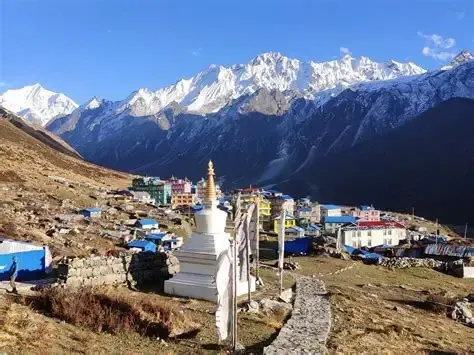
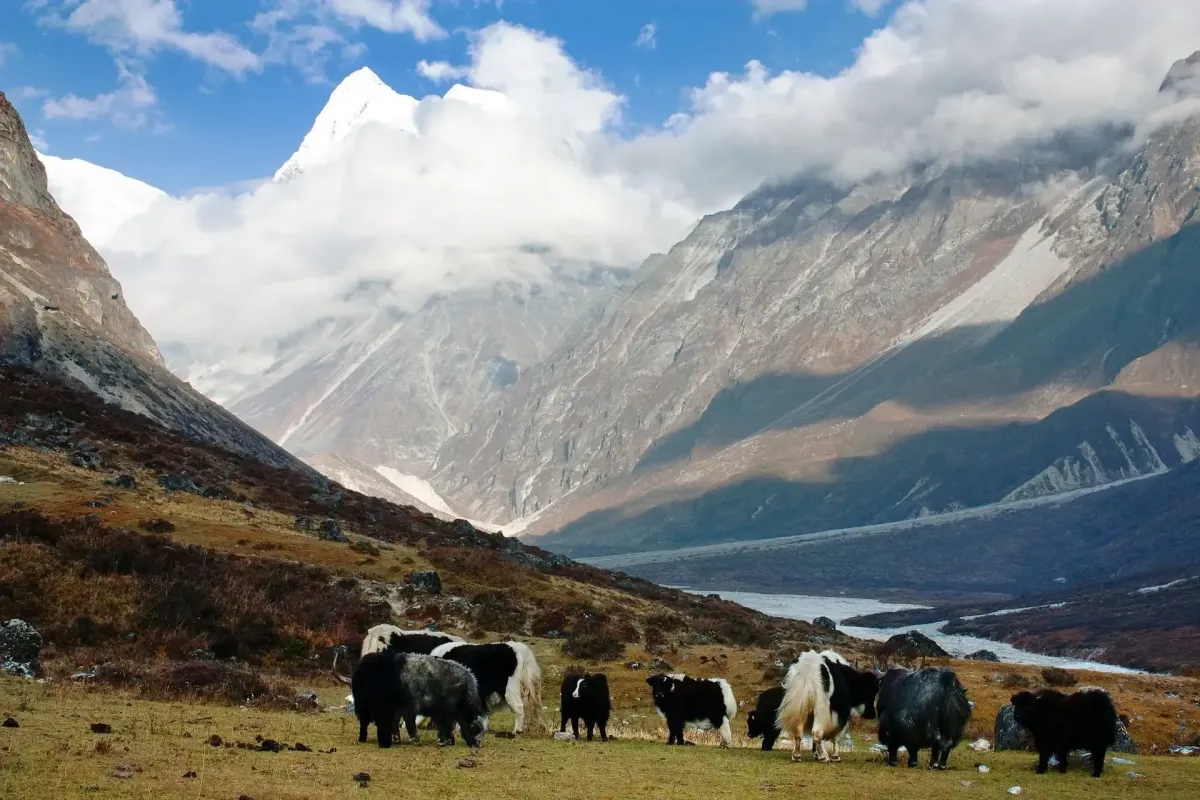
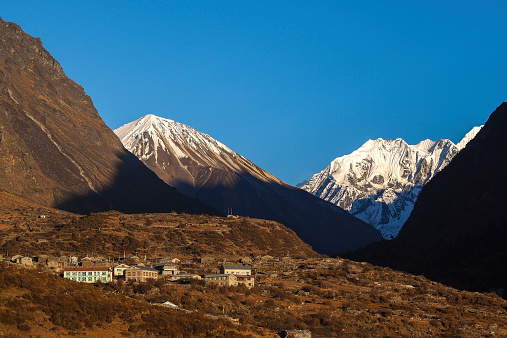
The region lies within Langtang National Park, Nepal’s first Himalayan national park, established in 1976. It is known for forests, rhododendrons, high mountain landscapes, wildlife, Buddhist monasteries, yak pastures, and traditional Tamang and Tibetan-influenced villages. Popular routes include Langtang Valley Trek, Gosainkunda Lake Trek, Helambu Trek, and the longer Langtang-Gosainkunda-Helambu combination.
Sources: Langtang National Park, Nepal Tourism Board.
What People Also Ask
Why should I visit Langtang Region?
You should visit Langtang if you want a scenic Himalayan trek that is closer to Kathmandu and less crowded than Everest or Annapurna. The region offers mountain views, peaceful trails, forests, glaciers, monasteries, local villages, and strong cultural connection with the Tamang and Tibetan Buddhist communities. It is ideal for travellers who want trekking, culture, nature, and mountain scenery in one route.
How many days are enough to explore Langtang Region?
For the classic Langtang Valley Trek, 7 to 10 days is usually enough, including travel from Kathmandu. For a deeper experience, 10 to 14 days is better. This allows you to add side hikes such as Kyanjin Ri or Tserko Ri, or combine Langtang Valley with Gosainkunda Lake. For a longer regional trek, 14 to 18 days can cover Langtang Valley, Gosainkunda, and Helambu together.
What are the top things to do here?
Top things to do in the Langtang Region include:
Trek through Langtang Valley from Syabrubesi to Kyanjin Gompa
Visit Kyanjin Gompa monastery and village
Hike to Kyanjin Ri or Tserko Ri for panoramic mountain views
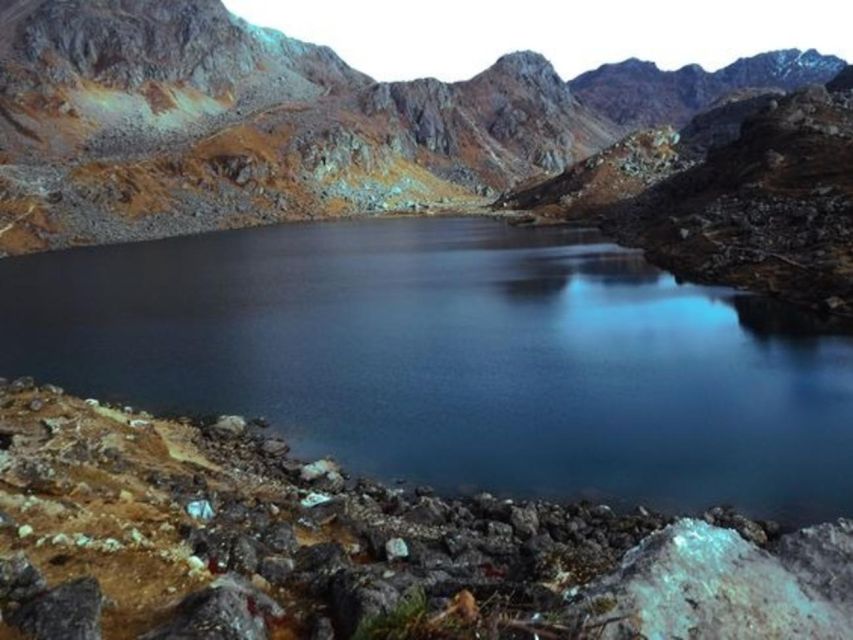
Visit the sacred Gosainkunda Lake
Explore Tamang and Tibetan-influenced villages
Walk through rhododendron, pine, and bamboo forests
See views of Langtang Lirung, Dorje Lakpa, Yala Peak, and surrounding peaks
Try local yak cheese in Kyanjin Gompa
Trek through Helambu’s Buddhist villages and monasteries
Experience quieter trails compared to Everest and Annapurna
Is this destination safe for tourists?
Yes, Langtang is generally safe for trekkers when properly planned. The trails are well known, teahouses are available on the main routes, and the region is close to Kathmandu compared to many other trekking areas.
However, it is still a Himalayan trekking region, so travellers should prepare for altitude, cold weather, landslide-prone road sections, changing trail conditions, and limited medical facilities. A licensed guide is recommended, especially for first-time trekkers, winter travel, or routes involving Gosainkunda and high passes.
What are the best places to visit here?
The best places to visit in the Langtang Region include:
Syabrubesi: Main starting point for the Langtang Valley Trek
Lama Hotel: Forested overnight stop along the trail
Langtang Village: Rebuilt mountain village with deep local history
Kyanjin Gompa: Main highlight of the valley, surrounded by peaks
Kyanjin Ri: Popular viewpoint above Kyanjin Gompa
Tserko Ri: Higher viewpoint with wide Himalayan panoramas
Gosainkunda Lake: Sacred alpine lake and pilgrimage site
Lauribina Pass: High pass on the Gosainkunda-Helambu route
Tharepati: Scenic ridge area linking Gosainkunda and Helambu
Helambu: Cultural region known for villages, monasteries, and gentler trails
What is the best time of year to visit?
The best time to visit Langtang is spring and autumn.
Spring, from March to May, is beautiful for rhododendron blooms, warmer days, and good trekking conditions. Autumn, from September to November, is the most popular season for clear skies, mountain views, and stable weather.
Winter, from December to February, can be cold, especially at higher elevations, but the trails are quieter and the skies can be clear. Monsoon, from June to August, brings rain, clouds, landslides, leeches in lower areas, and slippery trails, but the landscape becomes very green. Monsoon is considered off-season in Langtang, and many guesthouses on the trail close during the thick of monsoon, July and August.
Are there any festivals or special events worth planning around?
While there are festivals, the important ones are off the standard Langtang trail. The most important event in the Langtang Region is the Gosainkunda pilgrimage during Janai Purnima, usually in July or August. Pilgrims visit the sacred lake for ritual bathing and worship. Tamang Losar, the Tamang New Year, is also culturally important in Tamang communities and usually falls around January or February. Local monastery events, Buddhist rituals, and village celebrations may also take place depending on the season and lunar calendar.
Are there any cultural rules or etiquette I should follow?
Yes. The Langtang Region is home to Tamang and Tibetan Buddhist communities, so respectful behaviour is important. Walk clockwise around stupas, mani walls, and prayer wheels. Ask before taking photos of people, monks, monasteries, or private homes. Dress modestly in villages and religious areas. Do not touch religious objects without permission. Respect local customs, avoid loud behaviour in sacred spaces, and support local teahouses and community-run services when possible.
Is tipping expected?
Tipping is not mandatory, but it is expected and appreciated for trekking guides, porters, and drivers. Most travellers tip at the end of the trek based on trip length, group size, service quality, and budget.
For a guided Langtang trek, it is good to prepare a tipping budget in advance for your guide and porter team.
Do I need travel insurance?
Yes. Travel insurance is strongly recommended for Langtang and should cover trekking, altitude-related illness, medical treatment, emergency evacuation, helicopter rescue, trip cancellation, and travel delays.
If your itinerary includes Kyanjin Ri, Tserko Ri, Gosainkunda, or Lauribina Pass, make sure your policy covers trekking at the maximum altitude of your route.
What are the advantages of booking with NepalTravel.com?
Booking the Langtang Region with NepalTravel.com helps make the trek smoother, safer, and better organized.
We are a modern travel company with deep roots in the community in Nepal and Bhutan. We are equipped to provide 24/7 support to all time-zones, while being current with changing local logistics on the ground. We are also well-versed in international ticketing through our parent company Zen Travels. We can thus provide comprehensive support that ensures your peace of mind during international travel to remote regions.
Your Adventure?
We Accept Secure Payments

100% Secure
Your payments are safe with us.
Fast & Reliable
Quick confirmation on all bookings.
Trusted Worldwide
Join travelers from around the world.