All Bhutan Tours in 2026
Explore curated tours for your Bhutan trip
Choose a destination on the left
Top Attractions in Bhutan
Overview
Bhutan, the Himalayan kingdom known as the “Land of the Thunder Dragon,” is one of South Asia’s most unique travel destinations. Nestled between India and China, Bhutan is famous for its dramatic mountain landscapes, Buddhist monasteries, dzongs, peaceful valleys, traditional culture, and carefully managed tourism approach.
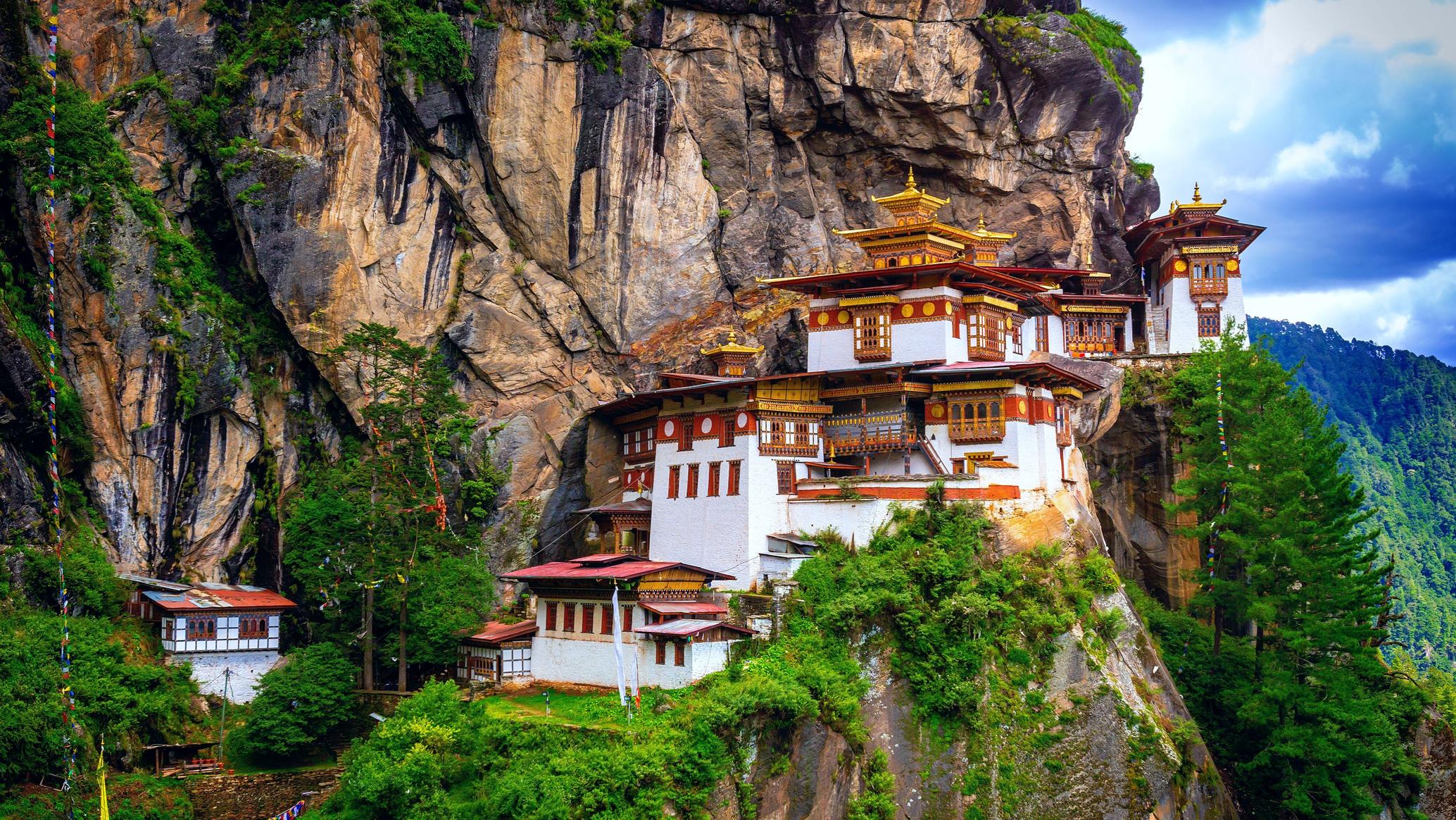
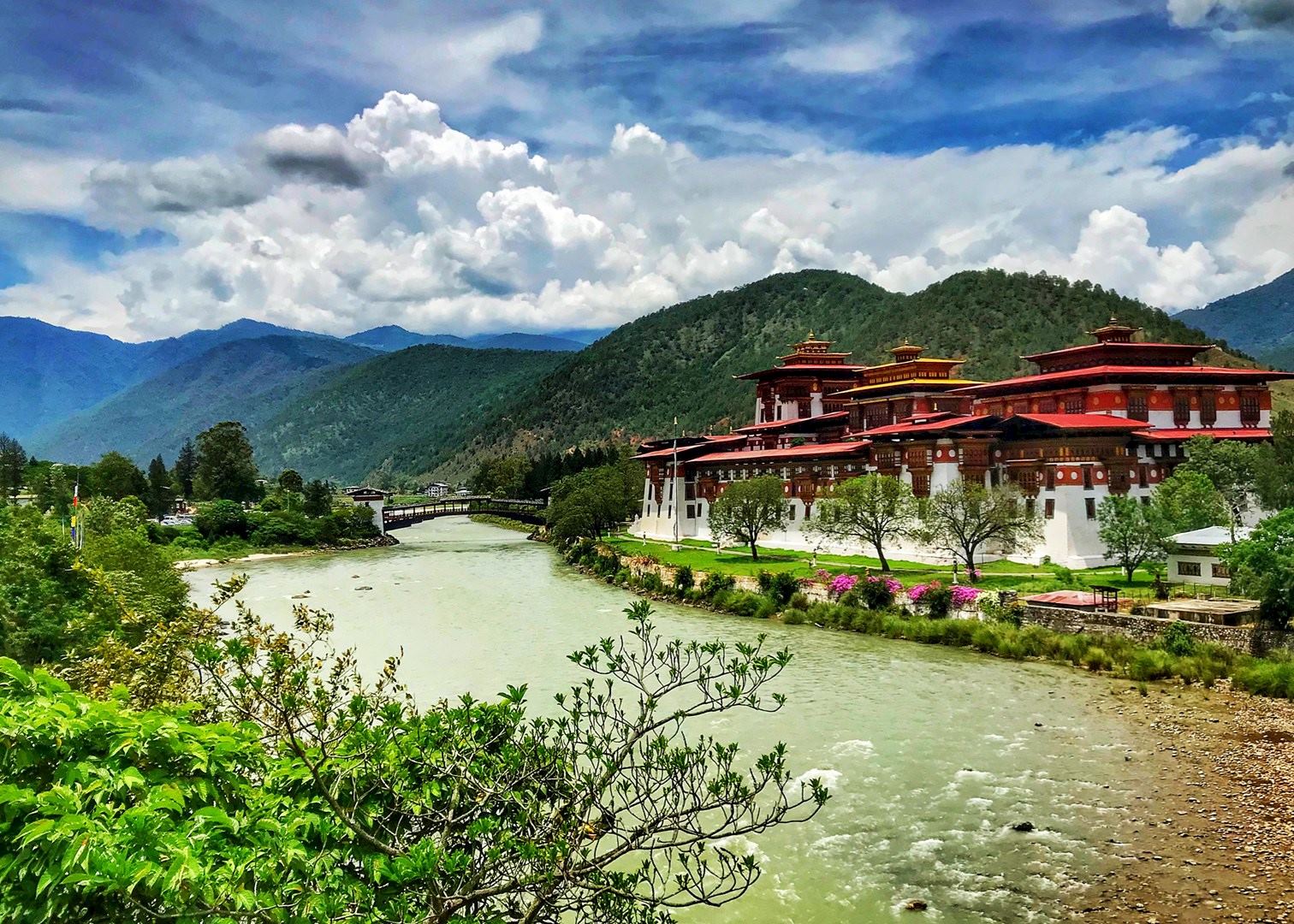
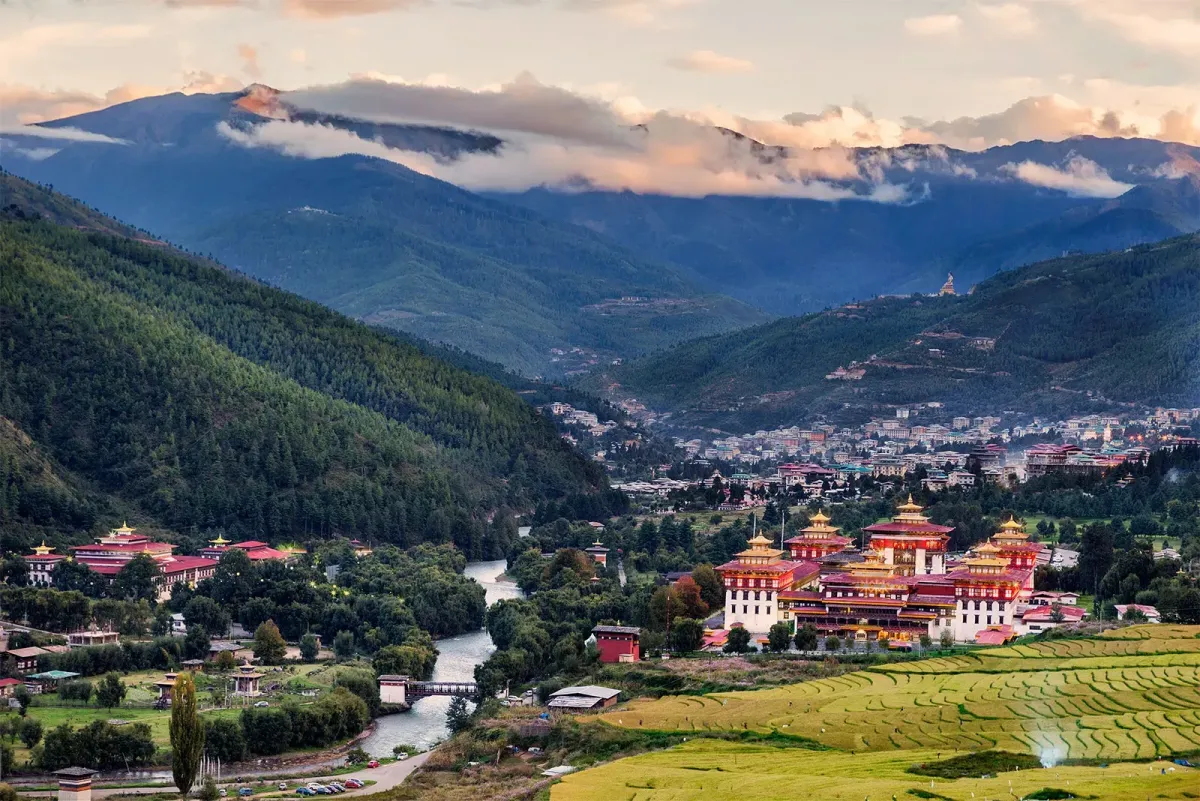
Bhutan offers a rare mix of spirituality, nature, culture, and quiet luxury. Unlike many destinations, Bhutan has protected its traditions and natural environment through a high-value, low-impact tourism model. Visitors come for iconic places like Tiger’s Nest Monastery in Paro, the capital city Thimphu, Punakha Dzong, Phobjikha Valley, Gangtey, Bumthang, and scenic mountain passes.
Most international visitors require a visa before travelling to Bhutan, except citizens of India, Bangladesh, and the Maldives. Bhutan also charges a Sustainable Development Fee, currently listed by official Bhutan tourism sources as USD 100 per day for adults, with concessions for children.
What People Also Ask
Why should I visit Bhutan?
You should visit Bhutan if you are looking for a peaceful, meaningful, and culturally rich Himalayan experience. Bhutan is ideal for travellers who enjoy monasteries, mountain scenery, traditional architecture, nature, wellness, short hikes, photography, festivals, and slow travel. It is also one of the best destinations for travellers who want something less commercial and more carefully preserved than many other popular tourist regions.
How many days are enough to explore Bhutan?
For a first-time Bhutan trip, 5 to 7 days is enough to explore the classic route covering Paro, Thimphu, and Punakha. For a deeper experience, 8 to 12 days is better. This allows you to add Gangtey and Phobjikha Valley, and possibly Bumthang, which is known for its spiritual heritage and traditional villages. A short 4-day trip can work for Paro and Thimphu, but it will feel more rushed.
What are the top things to do here?
Top things to do in Bhutan include:
Hike to Tiger’s Nest Monastery in Paro
Visit Punakha Dzong, one of Bhutan’s most beautiful fortress-monasteries
Explore Thimphu’s museums, markets, monasteries, and Buddha Dordenma
Drive across Dochula Pass for Himalayan views
Visit Gangtey and Phobjikha Valley, known for wide landscapes and black-necked cranes
Experience a Bhutanese hot stone bath
Attend a local tshechu festival
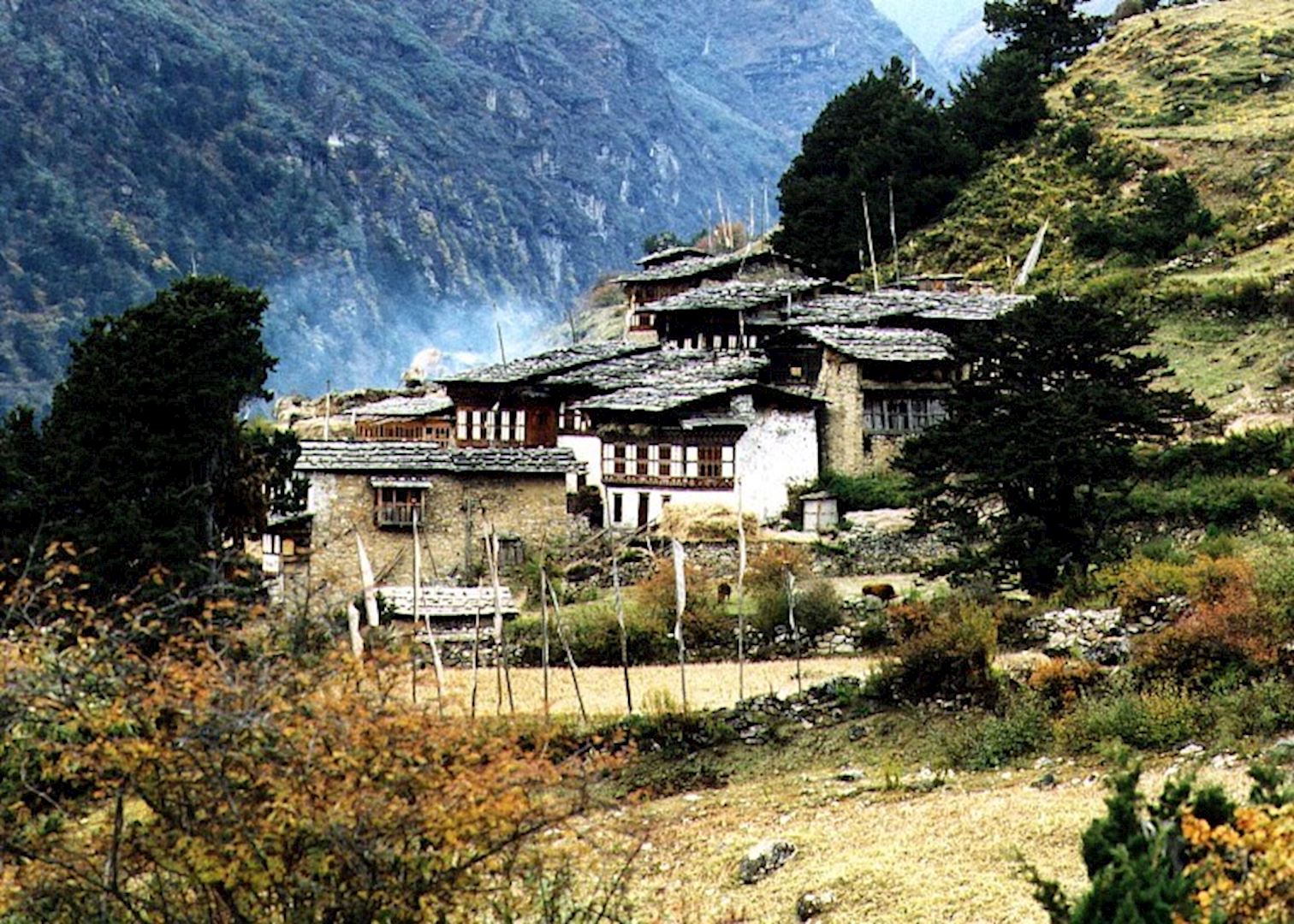
Explore traditional villages, temples, and local craft workshops
Try Bhutanese dishes such as ema datshi
Is Bhutan safe for tourists?
Yes, Bhutan is generally considered a very safe destination for tourists. Crime levels are low, the country is peaceful, and tourism is well managed. However, travellers should still follow normal safety precautions, respect local customs, and prepare properly for mountain roads, altitude changes, weather, and remote travel.
Travel insurance is recommended, especially if your trip includes hiking, remote valleys, domestic flights, or adventure activities.
What are the best places to visit here?
The best places to visit in Bhutan include:
Paro: Tiger’s Nest Monastery, Paro Dzong, National Museum, Paro Valley
Thimphu: Buddha Dordenma, Tashichho Dzong, local markets, museums, craft centers
Punakha: Punakha Dzong, suspension bridge, riverside scenery
Dochula Pass: Himalayan views and the 108 chortens
Gangtey and Phobjikha Valley: peaceful valley landscapes and nature walks
Bumthang: ancient temples, monasteries, and spiritual heritage
Haa Valley: quiet mountain scenery and traditional villages
For shorter trips, Paro, Thimphu, Punakha, and Haa are commonly recommended. For longer trips, Gangtey, Trongsa, and Bumthang offer a deeper cultural route.
What is the best time of year to visit?
The best time to visit Bhutan is generally spring and autumn.
Spring, from March to May, brings pleasant weather, blooming rhododendrons, and clear valley views. Autumn, from September to November, is one of the best periods for clear skies, mountain views, and major festivals.
Winter, from December to February, can be cold but peaceful, with fewer tourists and clear skies. Summer, from June to August, is the monsoon season, with greener landscapes but a higher chance of rain and cloud cover.
Are there any festivals or special events worth planning around?
Yes. Bhutan’s festivals, known as tshechus, are among the best cultural experiences in the country. These festivals include masked dances, religious ceremonies, traditional music, local gatherings, and colorful dress.
Popular festivals include:
Paro Tshechu, usually held in spring
Thimphu Tshechu, usually held in autumn
Punakha Tshechu, usually held around late winter or early spring
Jambay Lhakhang Tshechu in Bumthang, usually held in autumn
Festival dates follow the Bhutanese lunar calendar, so exact dates change each year. It is best to plan early because hotels and guides can book out quickly during major festivals.
Are there any cultural rules or etiquette I should follow?
Yes. Bhutan is a deeply spiritual and traditional country, so respectful behaviour is important. Travellers should dress modestly when visiting temples, dzongs, and monasteries. Remove hats and shoes where required, avoid touching religious objects without permission, walk clockwise around stupas and prayer wheels, and ask before taking photos inside religious sites. It is also respectful to speak quietly in sacred places, avoid pointing feet toward altars or monks, and follow your guide’s instructions when entering cultural or religious areas.
Is tipping expected?
Tipping is not strictly mandator in Bhutan, but it is appreciated for good service. Travellers commonly tip guides, drivers, hotel staff, and trekking crew at the end of the trip. The amount depends on trip length, group size, and service quality. For guided tours, it is best to prepare a tipping budget in advance.
Do I need travel insurance?
Yes, travel insurance is strongly recommended for Bhutan. Your policy should cover medical treatment, trip cancellation, travel delays, lost baggage, emergency assistance, and any planned activities such as hiking or adventure travel. If your trip includes remote valleys, longer hikes, or domestic flights, insurance becomes even more important.
What are the advantages of booking with NepalTravel.com?
Booking Bhutan with NepalTravel.com makes planning easier, especially if you are combining Bhutan with Nepal or other Himalayan destinations.
We are a modern travel company with deep roots in the community in Nepal and Bhutan, and can provide support to all our international travellers, while being current with changing local logistics on the ground. We are also well-versed in international ticketing and visa planning through our parent company Zen Travels, and can thus provide comprehensive support that ensures your peace of mind during international travel to remote regions.
Your Adventure?
We Accept Secure Payments

100% Secure
Your payments are safe with us.
Fast & Reliable
Quick confirmation on all bookings.
Trusted Worldwide
Join travelers from around the world.