All Annapurna Region Activities in 2026
Explore curated activities and adventures for your Annapurna Region trip
Choose a destination on the left
Top Attractions in Annapurna Region
Overview
The Annapurna Region offers some of the most diverse trekking experiences in Nepal. Travellers can choose from short scenic hikes, classic teahouse treks, high mountain passes, cultural village routes, and longer Himalayan journeys.
The region is protected within the Annapurna Conservation Area, one of Nepal’s largest and most visited trekking areas. It includes dramatic mountain scenery, rhododendron forests, Gurung and Magar villages, high-altitude landscapes, sacred sites, and views of Annapurna, Dhaulagiri, Machhapuchhre, Nilgiri, Hiunchuli, and Manaslu.
Pokhara is the main starting point for many Annapurna treks and is also a major destination for lakeside stays, paragliding, rafting, zipline, boating, and mountain views.
What People Also Ask
Why should I visit Annapurna Region?
You should visit the Annapurna Region if you want a Himalayan experience with strong mountain views, comfortable teahouse trekking, cultural villages, and flexible route options.
It is ideal for first-time trekkers, experienced hikers, families, photographers, nature lovers, and travellers who want to combine trekking with Pokhara. Compared to some other regions, Annapurna offers many route choices, from easy short treks to challenging high-pass adventures.
How many days are enough to explore Annapurna Region?
For a short Annapurna experience, 4 to 6 days is enough for Ghorepani Poon Hill, Ghandruk, or a short Mardi Himal route. For Annapurna Base Camp, 7 to 12 days is usually recommended depending on the route and pace. If you want to combine Pokhara, trekking, and a relaxed cultural experience, 10 to 14 days is a strong first-time plan.
What are the top things to do here?
Top things to do in the Annapurna Region include:
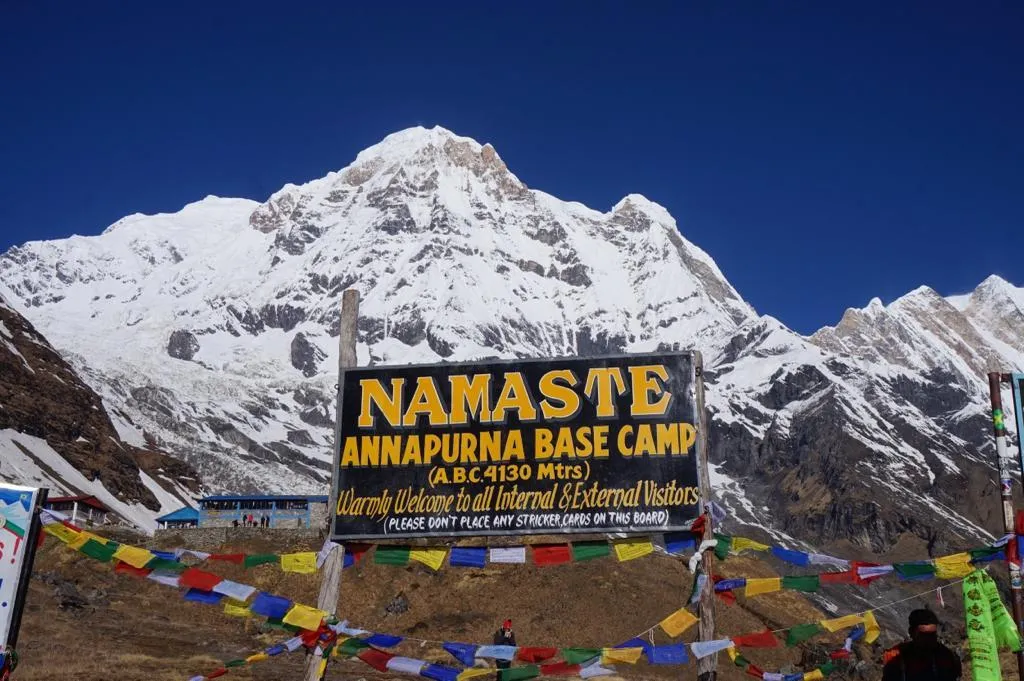
Trek to Annapurna Base Camp
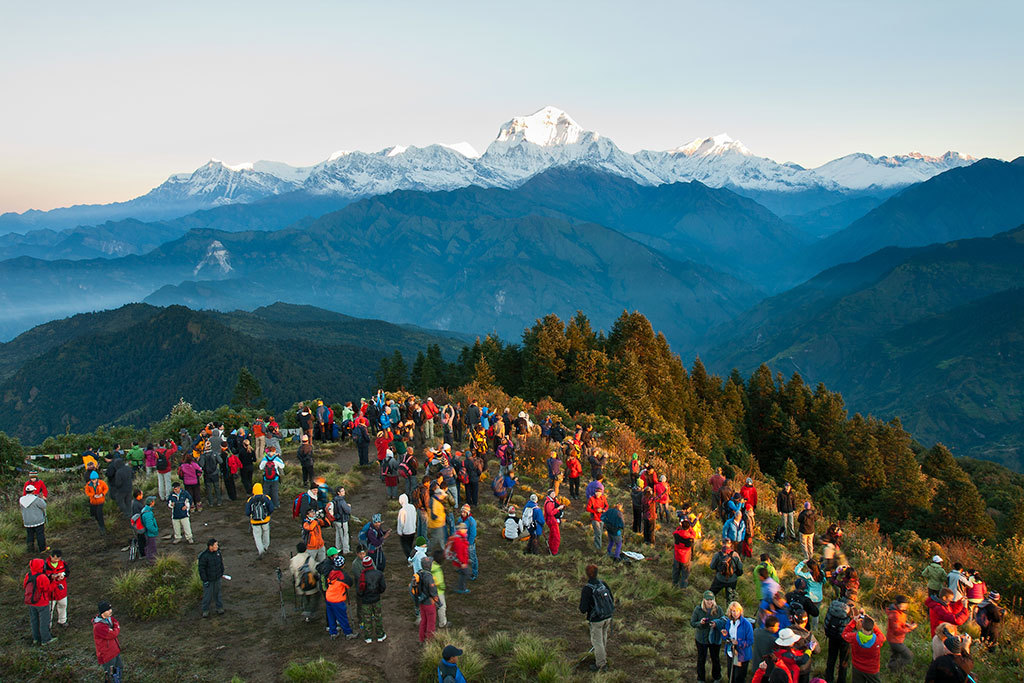
Hike to Poon Hill for sunrise views of Annapurna and Dhaulagiri
Trek the Mardi Himal route for close views of Machhapuchhre
Visit Ghandruk, a beautiful Gurung village
Relax in Pokhara before or after the trek
Is this destination safe for tourists?
Yes, the Annapurna Region is generally safe and well established for tourists, especially on the main trekking routes. The area has teahouses, marked trails, local communities, guides, porters, and regular trekking traffic during peak seasons.
However, it is still a mountain region. Travellers should prepare for altitude sickness, sudden weather changes, landslides, snow, remote trail sections, and long walking days. High routes such as Thorong La Pass, Annapurna Base Camp in winter, and remote Mustang or Manang areas require extra care.
A licensed guide is strongly recommended, especially for first-time trekkers, solo travellers, winter treks, high-pass routes, or longer itineraries.
What are the best places to visit here?
The best places to visit in the Annapurna Region include:
Pokhara: Main gateway, lakeside city, mountain views, adventure activities
Ghorepani and Poon Hill: Famous sunrise viewpoint
Ghandruk: Traditional Gurung village with Annapurna views
Chhomrong: Gateway village for Annapurna Base Camp
Annapurna Base Camp: High mountain amphitheatre surrounded by peaks
Mardi Himal Base Camp: Quieter ridge trek with close Machhapuchhre views
Manang: High-altitude village on the Annapurna Circuit
Thorong La Pass: Major high pass on the Annapurna Circuit
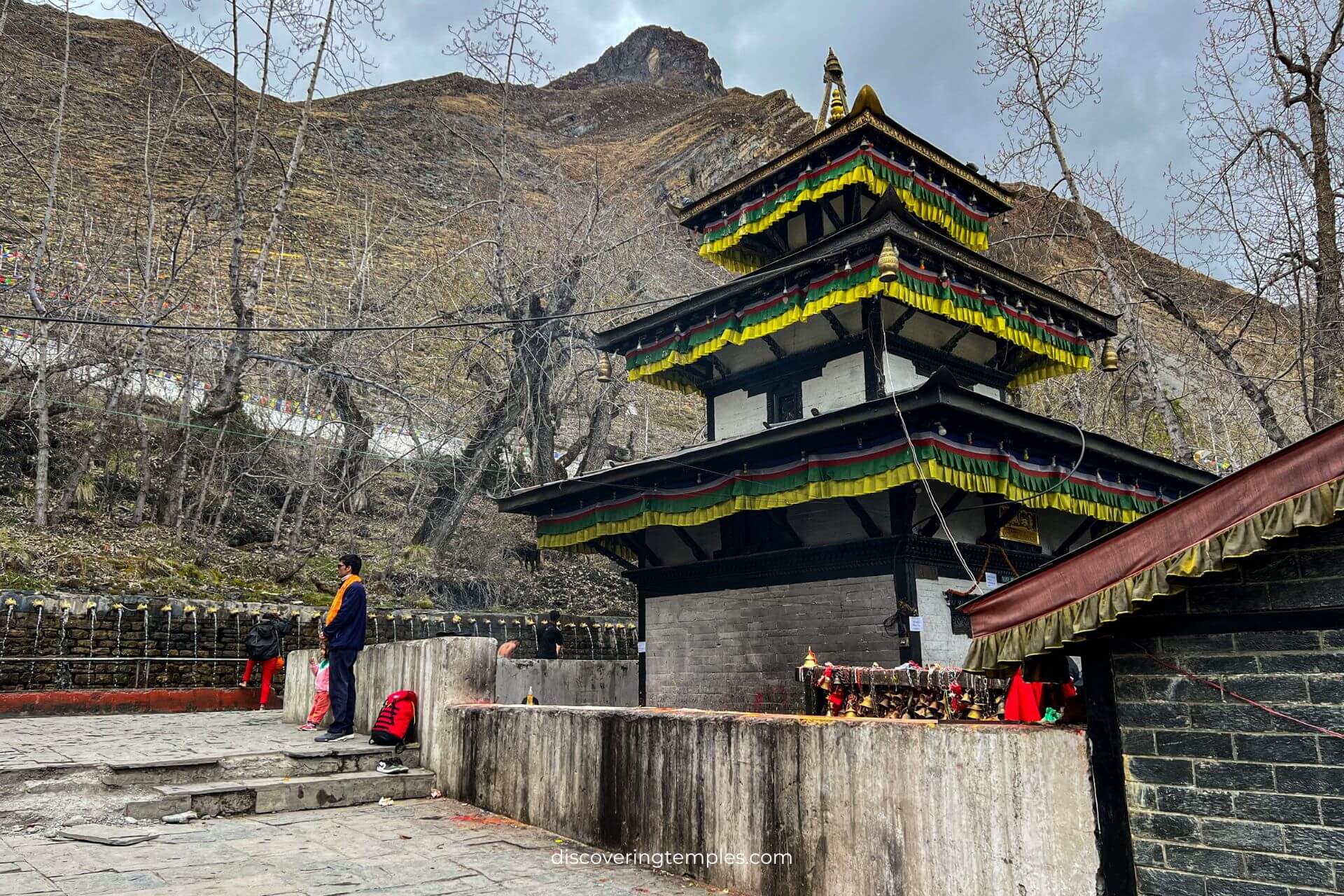
Muktinath: Sacred pilgrimage site
Jomsom and Marpha: Mustang villages known for dry landscapes and apple products
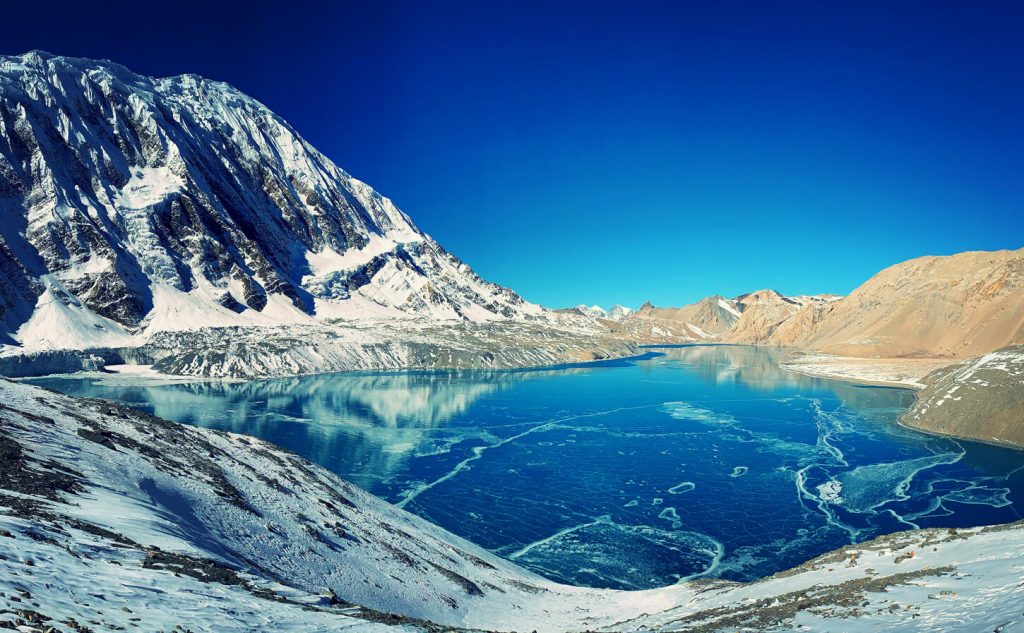
Tilicho Lake: High-altitude lake side trip from the Annapurna Circuit
What is the best time of year to visit?
The best time to visit the Annapurna Region is spring and autumn.
Spring, from March to May, is excellent for trekking, with warmer weather and blooming rhododendrons. Autumn, from September to November, is the most popular season because of clear skies, stable weather, and strong mountain views.
Winter, from December to February, can be beautiful but cold. Some high areas may receive snow, and high passes can become difficult or unsafe. Monsoon, from June to August, brings rain, clouds, leeches in lower areas, and landslide risk, though parts of Mustang and Manang lie in a rain-shadow area and can still be visited with proper planning.
Are there any festivals or special events worth planning around?
Yes. The Annapurna Region has a mix of national festivals and local mountain traditions.
Festivals worth planning around include:
Tihar: Festival of lights, usually in October or November
Tiji Festival: A major Buddhist festival in Upper Mustang, usually around May
Yartung Festival: Horse-racing and local celebration in parts of Mustang and Manang
Festival dates change each year because many follow lunar calendars, so it is best to confirm dates before planning.
Are there any cultural rules or etiquette I should follow?
Yes. The Annapurna Region is home to Gurung, Magar, Thakali, Tibetan Buddhist, Hindu, and other local communities. Travellers should dress modestly in villages and religious sites, ask before taking photos of people, and respect local customs.
Walk clockwise around stupas, chortens, mani walls, and prayer wheels. Remove shoes where required before entering temples or homes. Do not touch religious objects without permission. Avoid loud behaviour in monasteries, shrines, and village areas. It is also respectful to support local teahouses, reduce plastic waste, and follow conservation rules inside the Annapurna Conservation Area.
Is tipping expected?
Tipping after a guided trek is common and appreciated. Most travellers tip trekking guides, porters, drivers, and support staff at the end of the trip.
The amount depends on the length of the trek, group size, service quality, and your budget. For treks, it is good to prepare a separate tipping budget for the guide and porter team.
Do I need travel insurance?
Yes. Travel insurance is strongly recommended for all Annapurna trips and essential for trekking. Your policy should cover trekking, medical treatment, altitude sickness, emergency evacuation, helicopter rescue, trip cancellation, flight delays, lost baggage, and the maximum altitude of your itinerary.
This is especially important for Annapurna Base Camp, Thorong La Pass, Tilicho Lake, Mardi Himal High Camp, Mustang, Manang, and any remote or high-altitude route.
What are the advantages of booking with NepalTravel.com?
Booking the Annapurna Region with NepalTravel.com helps make your trip safer, smoother, and better organized.
We are a modern travel company with deep roots in the community in Nepal and Bhutan. We are equipped to provide support to all time-zones, while being current with changing local logistics on the ground. We are also well-versed in international ticketing through our parent company Zen Travels. We can thus provide comprehensive support that ensures your peace of mind during international travel to remote regions.
Your Adventure?
We Accept Secure Payments

100% Secure
Your payments are safe with us.
Fast & Reliable
Quick confirmation on all bookings.
Trusted Worldwide
Join travelers from around the world.