All Chitwan Activities in 2026
Explore curated activities and adventures for your Chitwan trip
Choose a destination on the left
Top Attractions in Chitwan
Overview
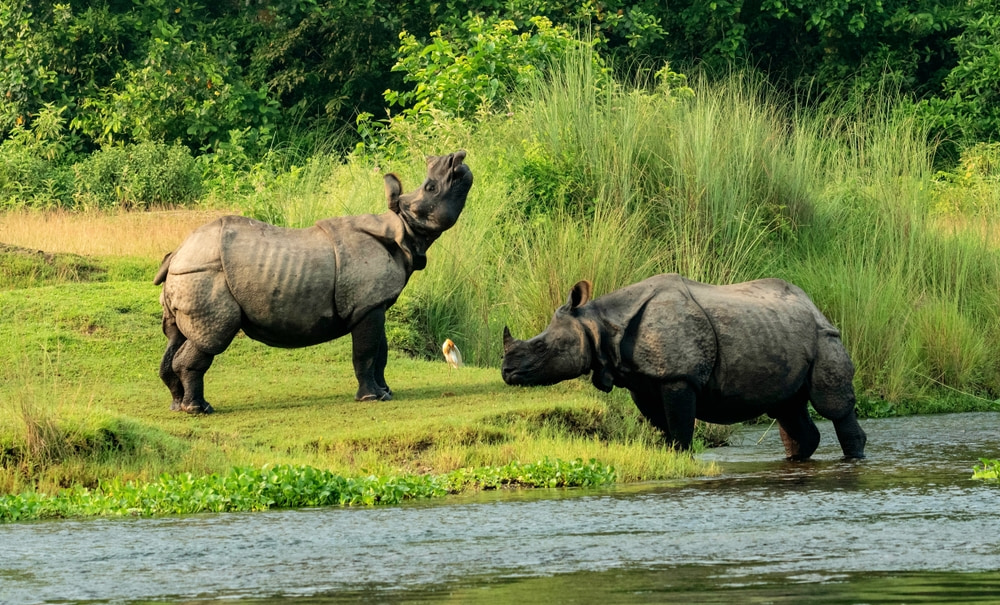
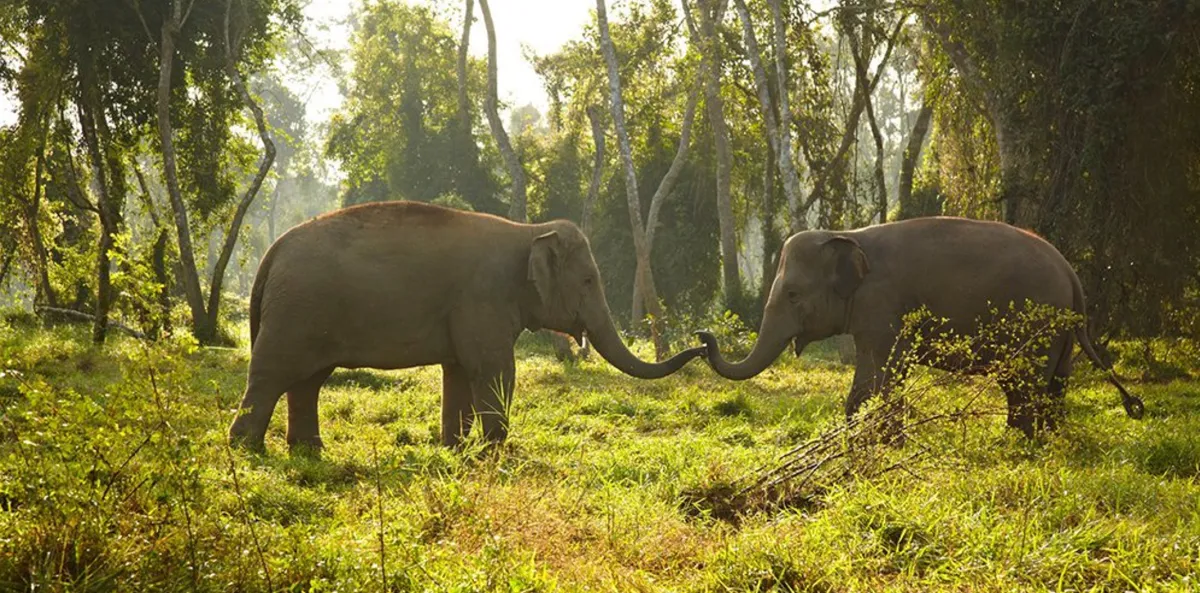
Chitwan offers a completely different side of Nepal from the mountains. Located in the lowland Terai region, it is famous for warm weather, subtropical forests, grasslands, rivers, wildlife, and cultural experiences with the local Tharu community. The main highlight is Chitwan National Park, Nepal’s first national park and a UNESCO World Heritage Site. The park is home to one-horned rhinoceros, Bengal tigers, gharial crocodiles, deer, monkeys, wild boar, sloth bears, leopards, and hundreds of bird species. Most travellers stay around Sauraha, Meghauli, or Kasara, where lodges and resorts arrange jungle safaris, canoe rides, nature walks, birdwatching, village visits, and cultural programs.
What People Also Ask
Why should I visit Chitwan?
You should visit Chitwan if you want to experience Nepal’s wildlife, jungle landscape, rivers, local culture, and a slower pace after trekking or sightseeing. It is ideal for families, couples, wildlife lovers, photographers, birdwatchers, and travellers who want a relaxing nature experience. Chitwan also pairs very well with Kathmandu and Pokhara in a classic Nepal itinerary.
How many days are enough to explore Chitwan?
For the main highlights, 2 nights and 3 days is the most common and comfortable plan. This gives you enough time for a jeep safari, canoe ride, jungle walk, birdwatching, Tharu village visit, and cultural program. If you are very interested in wildlife or photography, 3 to 4 nights is better because wildlife sightings depend on timing, season, and luck.
What are the top things to do here?
Top things to do in Chitwan include:
Take a jeep safari inside or around Chitwan National Park
Go on a canoe ride along the Rapti or Narayani River
Look for one-horned rhinoceros, deer, crocodiles, monkeys, and birds
Visit a Tharu village and learn about local culture
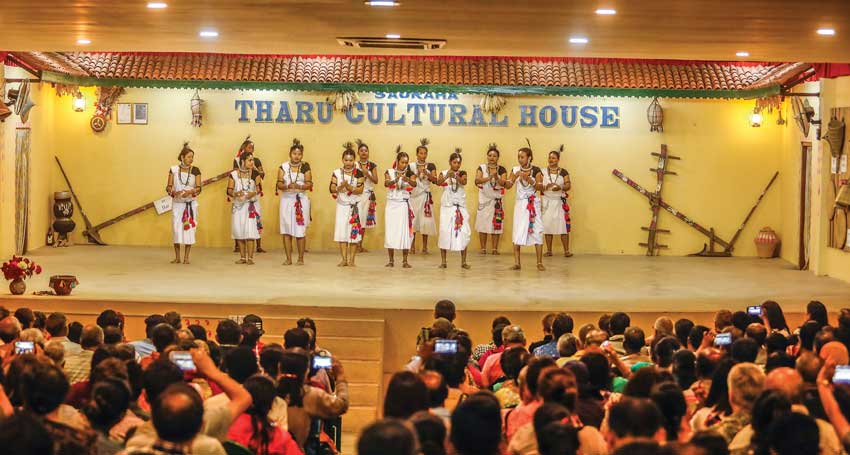
Watch a Tharu cultural dance performance
Go birdwatching early in the morning
Take a guided jungle walk with trained naturalists
Visit the Crocodile Breeding Center
Enjoy sunset by the Rapti River
Stay at a jungle lodge or riverside resort
Is this destination safe for tourists?
Yes, Chitwan is generally safe for tourists when activities are arranged through trained guides and responsible operators. Because Chitwan is a wildlife destination, travellers should always follow guide instructions. Wild animals such as rhinos, tigers, elephants, wild boar, and crocodiles can be dangerous if approached carelessly. Do not walk alone near jungle edges, riversides, or buffer-zone areas, especially early morning or evening. For jungle walks, canoe rides, and safaris, always go with licensed naturalists or experienced guides.
What are the best places to visit here?
The best places to visit in Chitwan include:
Chitwan National Park: Main wildlife area and UNESCO World Heritage Site
Sauraha: Popular tourist area with hotels, restaurants, safari access, and cultural programs
Rapti River: Sunset views, canoe rides, and riverside relaxation
Narayani River: Scenic river area and wildlife habitat
Kasara: Park headquarters area and access point for safaris
Meghauli: Quieter luxury lodge area near the national park
Crocodile Breeding Center: Conservation site for gharial crocodiles
Tharu villages: Cultural visits and local lifestyle experiences
Bishazari Tal: Wetland area known for birdwatching
What is the best time of year to visit?
The best time to visit Chitwan is from October to March, when the weather is cooler and more comfortable for safari activities. October to November offers clear skies and pleasant temperatures after the monsoon. December to February is cooler, especially in the mornings and evenings, and is good for wildlife viewing. March to May can be hot, but wildlife sightings can still be good because animals often come closer to water sources. June to September is the monsoon season. The forest becomes lush and green, but heavy rain, muddy roads, flooding, and limited safari access can affect travel plans.
Are there any festivals or special events worth planning around?
Yes. Chitwan is a good place to experience Tharu culture and national Nepali festivals.
Festivals and events worth planning around include:
Maghi: Important Tharu festival, usually in January
Tihar: Festival of lights, usually in October or November
Holi: Festival of colours, usually in March
Tharu cultural programs: Performed regularly in tourist areas such as Sauraha
Festival dates can change each year, especially those based on the lunar calendar.
Are there any cultural rules or etiquette I should follow?
Yes. When visiting Tharu villages or local communities, dress modestly, ask before taking photos, and be respectful around homes, farms, temples, and cultural performances. During jungle activities, respect wildlife and nature. Do not litter, feed animals, make loud noises, or leave designated paths without your guide. Keep a safe distance from all wildlife, even if animals appear calm.
Is tipping expected?
Tipping is anticipated in the tourism sector. Travellers commonly tip safari guides, naturalists, drivers, boatmen, hotel staff, and cultural performers. For a multi-day Chitwan package, it is common to tip the guide and driver at the end.
Do I need travel insurance?
Yes, travel insurance is recommended for Chitwan. Your policy should cover medical treatment, trip cancellation, travel delays, lost baggage, and emergency support. If your itinerary includes jungle walks, canoe rides, safari activities, or onward trekking, make sure your insurance covers those activities as well.
What are the advantages of booking with NepalTravel.com?
Booking the Chitwan packages with NepalTravel.com helps make your trip safer, smoother, and better organized.
We are a modern travel company with deep roots in the community in Nepal and Bhutan. We are equipped to provide support to all time-zones, while being current with changing local logistics on the ground. We are also well-versed in international ticketing and visa planning through our parent company Zen Travels. We can thus provide comprehensive support that ensures your peace of mind during international travel to remote regions.
Your Adventure?
We Accept Secure Payments

100% Secure
Your payments are safe with us.
Fast & Reliable
Quick confirmation on all bookings.
Trusted Worldwide
Join travelers from around the world.