All Nepal Activities in 2026
Explore curated activities and adventures for your Nepal trip
Choose a destination on the left
Top Attractions in Nepal
Overview
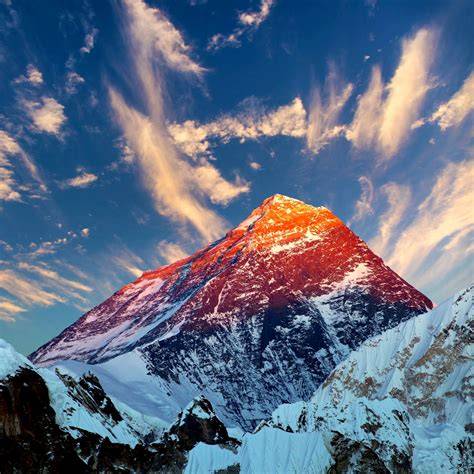
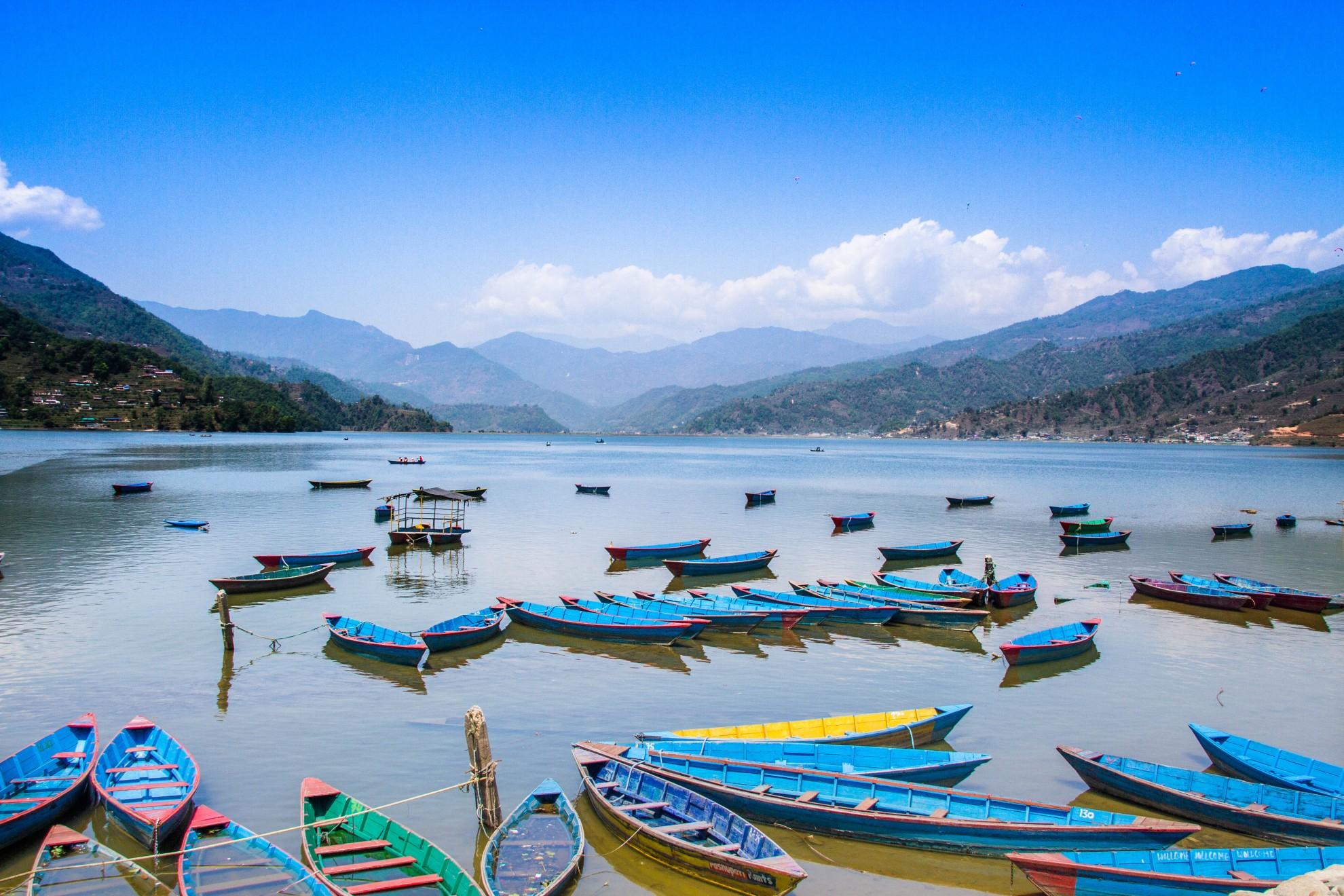
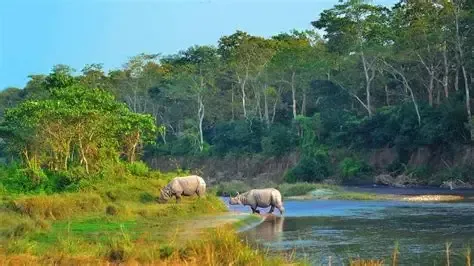
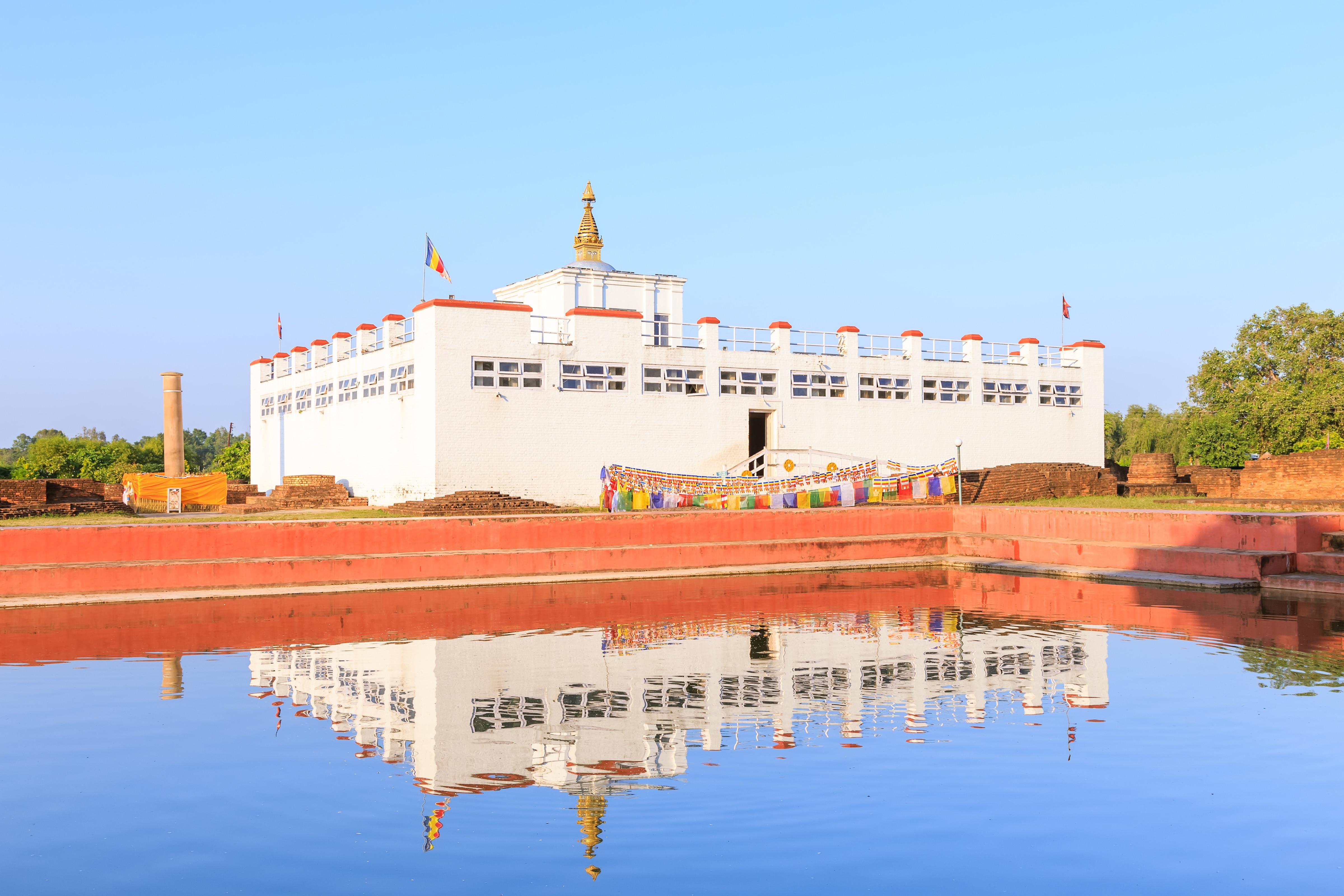
Nepal is one of South Asia’s most diverse travel destinations. In a single trip, travellers can explore the heritage streets of Kathmandu, the lakeside beauty of Pokhara, the jungles of Chitwan, the birthplace of Buddha in Lumbini, and the high mountain trails of Everest, Annapurna, Langtang, or Mustang.
Nepal is especially popular for trekking, cultural tours, pilgrimage, wildlife safaris, rafting, paragliding, mountain biking, food experiences, and soft adventure. The Nepal Tourism Board lists major highlights such as Kathmandu, Pokhara, Everest, Janakpur, Chitwan, and Lumbini, along with activities including trekking, rafting, paragliding, jungle discovery, heritage walks, and cultural tours.
Most foreign travellers, except Indian nationals, require a tourist visa to enter Nepal. Tourist visas are available on arrival at major entry points for many nationalities, though some travellers must arrange a visa in advance.
What People Also Ask
Why should I visit Nepal?
You should visit Nepal if you want a destination that combines mountains, culture, spirituality, adventure, and warm hospitality. Nepal is home to Mount Everest, the Kathmandu Valley’s UNESCO heritage sites, peaceful Buddhist stupas, Hindu temples, Himalayan villages, national parks, and scenic hill towns.
It is ideal for trekkers, photographers, spiritual travellers, families, adventure lovers, wildlife enthusiasts, and anyone looking for a meaningful travel experience.
How many days are enough to explore Nepal?
For a first-time Nepal trip, 7 to 10 days is enough to experience Kathmandu, Pokhara, and either Chitwan or a short trek.
For a deeper trip, 12 to 16 days is better. This allows you to include Kathmandu, Pokhara, Chitwan, Lumbini, Nagarkot, or a classic trek such as Everest Base Camp, Annapurna Base Camp, Mardi Himal, Langtang Valley, or Ghorepani Poon Hill.
A short 4 to 5 day trip can work for Kathmandu and Pokhara, but it will only cover the highlights.
What are the top things to do here?
Top things to do in Nepal include:
Explore Kathmandu Durbar Square, Patan, Bhaktapur, Boudhanath, Swayambhunath, and Pashupatinath
Visit Pokhara for Phewa Lake, mountain views, caves, waterfalls, and adventure activities
Trek in the Everest, Annapurna, Langtang, Mardi Himal, Mustang, or Manaslu regions
Go on a jungle safari in Chitwan National Park or Bardia National Park
Visit Lumbini, the birthplace of Lord Buddha
Watch sunrise over the Himalayas from Nagarkot, Sarangkot, or Dhulikhel
Try rafting, paragliding, bungee jumping, canyoning, ziplining, mountain biking, or hot air ballooning
Experience Nepali food, local markets, festivals, and traditional villages.
Is Nepal safe for tourists?
Nepal is generally safe and welcoming for tourists. Popular areas such as Kathmandu, Pokhara, Chitwan, Lumbini, and major trekking routes receive many international travellers every year. However, travellers should take normal precautions with valuables, road travel, altitude, weather, food hygiene, and trekking safety. Mountain trips require extra preparation because of altitude sickness, remote terrain, flight delays, and changing weather. Travel insurance is strongly recommended. Insurance that covers your itinerary, planned activities, and emergency expenses is best.
What are the best places to visit here?
The best places to visit in Nepal include:
Kathmandu Valley: Temples, stupas, palaces, heritage squares, food, and culture
Pokhara: Lakeside relaxation, Annapurna views, caves, waterfalls, and adventure activities
Everest Region: Everest Base Camp, Namche Bazaar, Tengboche, and Himalayan trekking
Annapurna Region: Annapurna Base Camp, Mardi Himal, Poon Hill, and mountain villages
Chitwan National Park: Wildlife safari, jungle walks, canoe rides, and Tharu culture
Lumbini: Birthplace of Lord Buddha and an important Buddhist pilgrimage site
Nagarkot and Dhulikhel: Himalayan sunrise, short hikes, and peaceful stays near Kathmandu
Mustang: Dry mountain landscapes, Tibetan-influenced culture, and dramatic scenery
Janakpur: Janaki Temple and Mithila culture
What is the best time of year to visit?
The best time to visit Nepal is usually spring and autumn.
Spring, from March to May, brings warmer weather, blooming rhododendrons, and good trekking conditions. Autumn, from September to November, is the most popular season for clear skies, mountain views, festivals, and trekking.
Winter, from December to February, is colder but offers clear skies and fewer crowds, especially for cultural tours and lower-altitude treks. Summer and monsoon, from June to August, bring rain, lush greenery, and fewer tourists, but some trekking routes may be affected by clouds, landslides, or leeches.
Are there any festivals or special events worth planning around?
Yes. Nepal has a rich festival calendar, and planning around a major festival can make the trip more memorable. Some festivals are family-oriented, and result in quieter streets with not much activity, but some are joyous public festivals that everyone can participate in. Some festivals that allow for participation are:
Tihar: Festival of lights, usually in October or November
Indra Jatra: A major Kathmandu festival with masked dances and chariot processions
Holi: Festival of colours, usually in March
Festival dates follow lunar calendars, so exact dates change each year.
Are there any cultural rules or etiquette I should follow?
Yes. Nepal is culturally diverse, with Hindu, Buddhist, indigenous, and regional traditions. Travellers should dress modestly when visiting temples, monasteries, and rural areas.
Remove shoes before entering temples or homes where required. Walk clockwise around stupas and prayer wheels. Avoid touching religious objects without permission. Ask before taking photos of people, monks, ceremonies, or inside sacred places.
Public displays of affection should be kept modest, and respectful behaviour is expected at religious sites, heritage areas, and local communities.
Is tipping expected?
Tipping at restaurants is not mandatory in Nepal, but it is appreciated for good service. Tipping guides, drivers, porters, hotel staff, trekking crews, and activity staff for their service is very common, and is generally expected by staff.
For trekking, tipping the guide and porter is done at the end of the trip, but it is best to prepare the amount in advance and carry it with you.
Do I need travel insurance?
Yes, travel insurance is strongly recommended for Nepal and is essential for trekking, adventure activities, high-altitude travel, remote-area travel, rafting, climbing, and helicopter-supported trips. Your policy should cover medical care, emergency evacuation, helicopter rescue if trekking, trip cancellation, flight delays, lost baggage, and the specific activities included in your itinerary. For high-altitude trekking, make sure the policy covers the maximum altitude of your trek.
What are the advantages of booking with NepalTravel.com?
Booking with NepalTravel.com makes your Nepal trip easier, safer, and more organized.
We are a modern travel company with deep roots in the community in Nepal and Bhutan, and can provide support to all our international travellers, while being current with changing local logistics on the ground. We are also well-versed in international ticketing and visa planning through our parent company Zen Travels, and can thus provide comprehensive support that ensures your peace of mind during international travel to remote regions.
Your Adventure?
We Accept Secure Payments

100% Secure
Your payments are safe with us.
Fast & Reliable
Quick confirmation on all bookings.
Trusted Worldwide
Join travelers from around the world.