All Mustang Activities in 2026
Explore curated activities and adventures for your Mustang trip
Choose a destination on the left
Top Attractions in Mustang
Overview
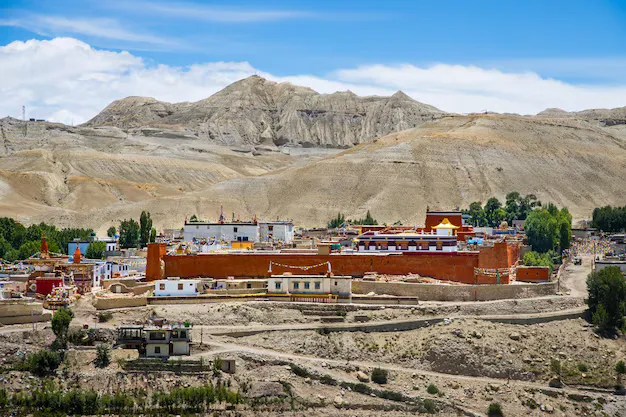
The Mustang Region offers some of the most distinctive trekking and cultural experiences in Nepal. Travellers can explore ancient villages, dramatic desert-like landscapes, sacred monasteries, deep river valleys, high mountain passes, and historic trade routes that once connected Nepal with Tibet.
Much of the region lies within the Annapurna Conservation Area and is known for its unique Trans-Himalayan scenery, Tibetan-influenced culture, centuries-old caves, traditional settlements, and impressive views of Dhaulagiri, Nilgiri, Annapurna, and surrounding Himalayan peaks.
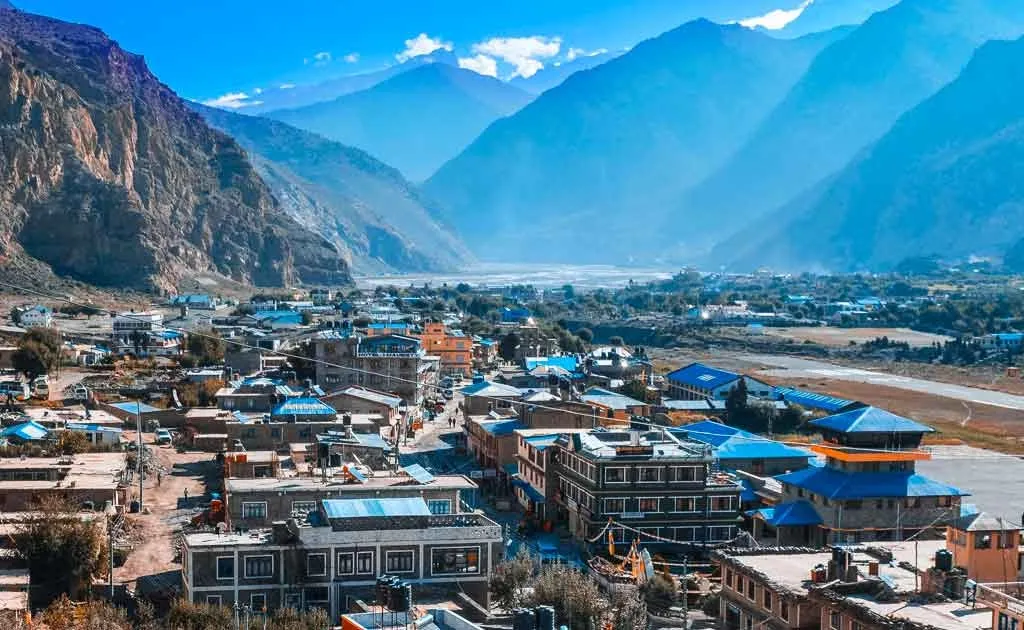
Jomsom is one of the main gateways to Mustang and serves as a popular starting point for journeys toward Marpha, Tukuche, Kagbeni, Muktinath, and Upper Mustang. The region also offers opportunities for cultural exploration, monastery visits, jeep tours, mountain biking, photography, and visits to sacred and historical sites.
What People Also Ask
Why should I visit Mustang?
You should visit the Mustang Region if you want a Himalayan experience shaped by dramatic desert landscapes, ancient Tibetan culture, sacred sites, traditional villages, and remote mountain scenery.
It is ideal for cultural travellers, photographers, adventure seekers, pilgrims, and visitors looking for something different from Nepal’s greener trekking regions. Mustang offers everything from accessible journeys around Jomsom, Kagbeni, and Muktinath to remote adventures into Upper Mustang and Lo Manthang, combining striking landscapes with centuries-old monasteries, caves, and settlements.
How many days are enough to explore Mustang?
For a short Mustang experience, 5 to 6 days is enough to explore Jomsom, Marpha, Tukuche, Kagbeni, and Muktinath. For a deeper journey into Upper Mustang and Lo Manthang, around 10 to 14 days is usually recommended depending on the route and pace. If you want to combine cultural villages, monasteries, mountain scenery, and a relaxed exploration of both Lower and Upper Mustang, 12 to 16 days is a strong overall plan.
What are the top things to do here?
Top things to do in the region include:
- Explore the ancient walled town of Lo Manthang
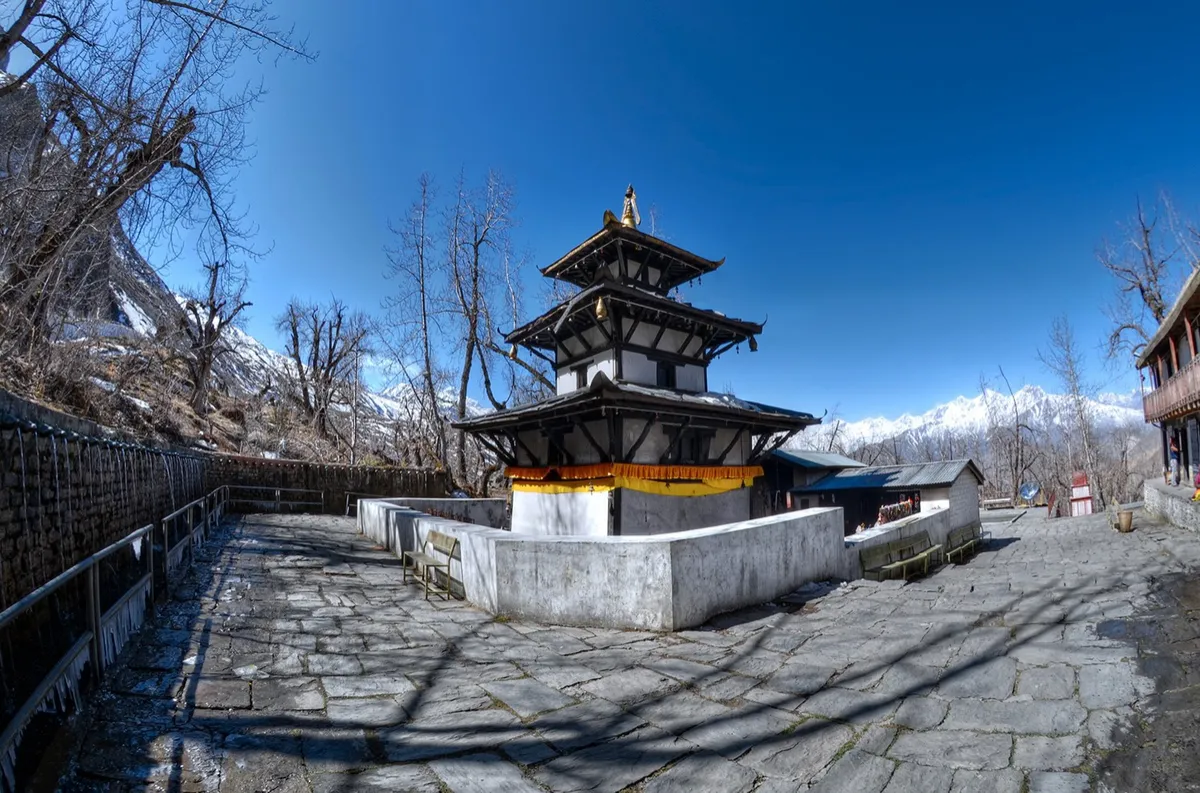
- Visit the sacred Muktinath Temple
- Walk through the historic village of Kagbeni
- Discover the traditional Thakali village of Marpha
- Explore ancient monasteries, caves, and Tibetan-influenced settlements
- Travel through the dramatic Kali Gandaki Valley
- Enjoy views of Nilgiri, Dhaulagiri, and Annapurna
- Experience the unique desert-like landscapes of Upper Mustang
Is this destination safe for tourists?
Yes, the Mustang Region is generally safe for travellers, especially around Jomsom, Marpha, Kagbeni, and Muktinath, where tourism services are well established.
However, Mustang is still a remote Himalayan region. Travellers should be prepared for high altitude, strong winds, cold temperatures, rough roads, sudden weather changes, and limited facilities in more isolated areas.
Upper Mustang requires additional preparation because of its remote location and restricted-area regulations. Travellers visiting places such as Lo Manthang should plan carefully, carry suitable clothing, stay hydrated, and allow time to adjust to the altitude.
A licensed guide is strongly recommended, particularly for Upper Mustang, first-time visitors, longer journeys, and travellers unfamiliar with high-altitude conditions.
What are the best places to visit here?
The best places to visit in the Mustang Region include:
Jomsom: Main gateway to Mustang, known for mountain views, the Kali Gandaki Valley, and easy access to nearby villages
Marpha: Traditional Thakali village famous for whitewashed houses, monasteries, apple orchards, and local apple products
Tukuche: Historic village with traditional architecture, mountain views, and a peaceful atmosphere
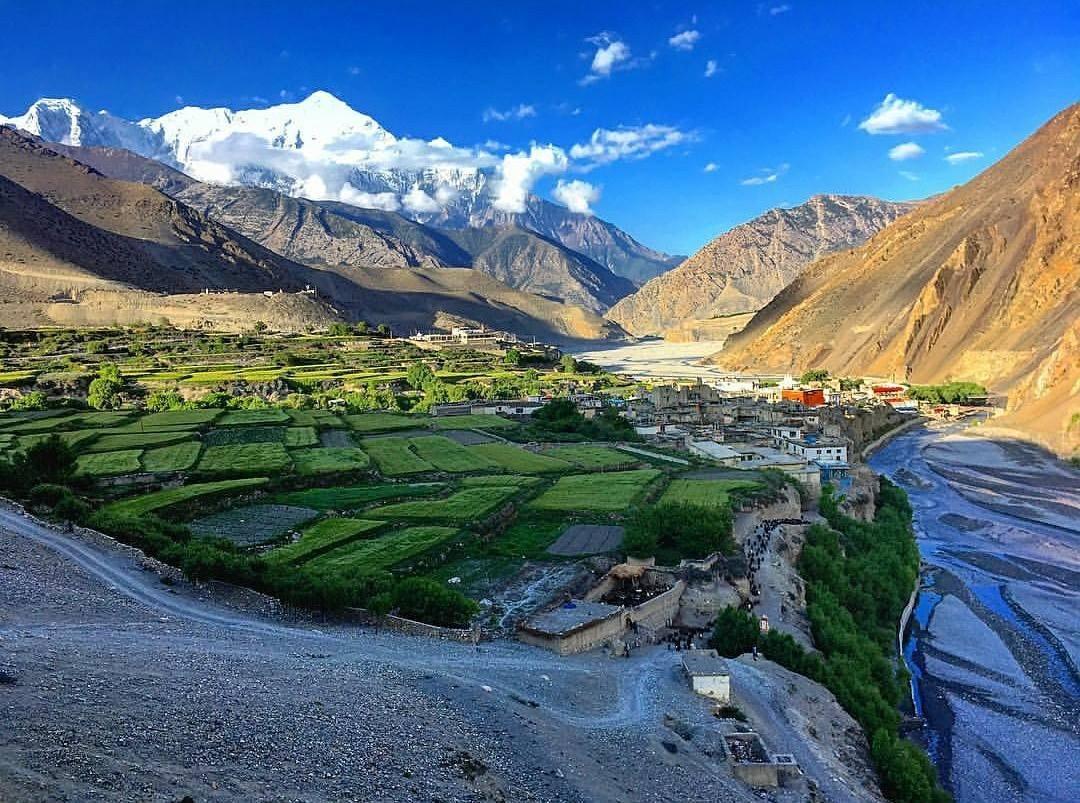
Kagbeni: Ancient village at the entrance to Upper Mustang, known for narrow alleys, monasteries, and dramatic landscapes
Muktinath: Sacred pilgrimage site for Hindus and Buddhists, surrounded by high mountain scenery
Lo Manthang: Ancient walled city of Upper Mustang with monasteries, traditional Tibetan-influenced culture, and unique architecture
Chhoser: Remote settlement near Lo Manthang known for cave complexes, monasteries, and striking cliffs
Dhakmar: Small village surrounded by distinctive red cliffs and dramatic desert landscapes
Ghami: Traditional Upper Mustang village with old monasteries, chortens, and peaceful surroundings
Tsarang: Historic village with an ancient palace, monastery, and panoramic views of the Mustang landscape
Kali Gandaki Valley: Scenic valley known for deep gorges, dry landscapes, mountain views, and traditional settlements
What is the best time of year to visit?
The best time to visit the Mustang Region is generally spring and autumn, although Mustang can also be a good destination during the monsoon because much of the region lies in a rain-shadow area.
Spring, from March to May, offers comfortable temperatures, clear mountain views, and good conditions for trekking and cultural exploration. Autumn, from September to November, is one of the most popular periods, with stable weather, clear skies, and excellent visibility.
Monsoon, from June to August, can still be suitable for Mustang, especially Upper Mustang, where rainfall is much lower than in many other parts of Nepal. This makes the region a good summer trekking option.
Winter, from December to February, is quieter but very cold. Snow, strong winds, and freezing temperatures can make travel more difficult, particularly in Upper Mustang and higher areas.
Are there any festivals or special events worth planning around?
Yes. The Mustang Region has a rich mix of national festivals, Tibetan Buddhist traditions, and local mountain celebrations.
Festivals worth planning around include:
Tiji Festival: One of the most important festivals in Upper Mustang, especially in Lo Manthang, usually held around May
Yartung Festival: A traditional horse-racing and cultural celebration held in parts of Mustang, usually during the summer months
Tihar: Nepal’s festival of lights, usually celebrated in October or November
Dashain: Nepal’s major national festival, usually celebrated in September or October
Buddhist festivals and monastery ceremonies: Various local rituals, prayers, masked dances, and religious gatherings take place throughout Mustang during the year
Festival dates can change each year because many follow lunar or traditional calendars, so it is best to confirm the exact dates before planning your trip.
Are there any cultural rules or etiquette I should follow?
Yes. The Mustang Region is home to Thakali, Tibetan Buddhist, Hindu, and other Himalayan communities, each with distinct traditions, architecture, festivals, and religious practices.
Travellers should dress modestly in villages, monasteries, temples, and other sacred places. Always ask before taking photographs of local people, monks, ceremonies, or the interiors of religious buildings.
Walk clockwise around stupas, chortens, mani walls, and prayer wheels. Remove shoes where required before entering monasteries, temples, or homes, and avoid touching religious objects without permission.
Keep noise to a minimum around monasteries, shrines, and traditional settlements. It is also respectful to support locally owned lodges and shops, reduce plastic waste, protect water sources, and follow conservation and restricted-area rules while travelling through Mustang.
Is tipping expected?
Tipping after a guided trek is common and appreciated. Most travellers tip trekking guides, porters, drivers, and support staff at the end of the trip.
The amount depends on the length of the trek, group size, service quality, and your budget. For treks, it is good to prepare a separate tipping budget for the guide and porter team.
Do I need travel insurance?
Yes. Travel insurance is strongly recommended for all Annapurna trips and essential for trekking. Your policy should cover trekking, medical treatment, altitude sickness, emergency evacuation, helicopter rescue, trip cancellation, flight delays, lost baggage, and the maximum altitude of your itinerary.
This is especially important for Annapurna Base Camp, Thorong La Pass, Tilicho Lake, Mardi Himal High Camp, Mustang, Manang, and any remote or high-altitude route.
What are the advantages of booking with NepalTravel.com?
Booking the Annapurna Region with NepalTravel.com helps make your trip safer, smoother, and better organized.
We are a modern travel company with deep roots in the community in Nepal and Bhutan. We are equipped to provide support to all time-zones, while being current with changing local logistics on the ground. We are also well-versed in international ticketing through our parent company Zen Travels. We can thus provide comprehensive support that ensures your peace of mind during international travel to remote regions.
Your Adventure?
We Accept Secure Payments

100% Secure
Your payments are safe with us.
Fast & Reliable
Quick confirmation on all bookings.
Trusted Worldwide
Join travelers from around the world.